
Remote work has changed the way people communicate, but not everyone agrees on where to draw the line between collaboration and personal privacy.
What feels like a harmless request to one person can feel like constant surveillance to someone else.
That is the situation one Redditor found herself in after her company began pushing employees to keep their cameras on during every meeting.
She believes her performance speaks for itself, while her boss insists that seeing everyone’s face is essential for team engagement.
Their disagreement eventually became public, leaving her with an uncomfortable reputation at work.
Keep reading to find out what happened and whether Reddit thought she was in the wrong.
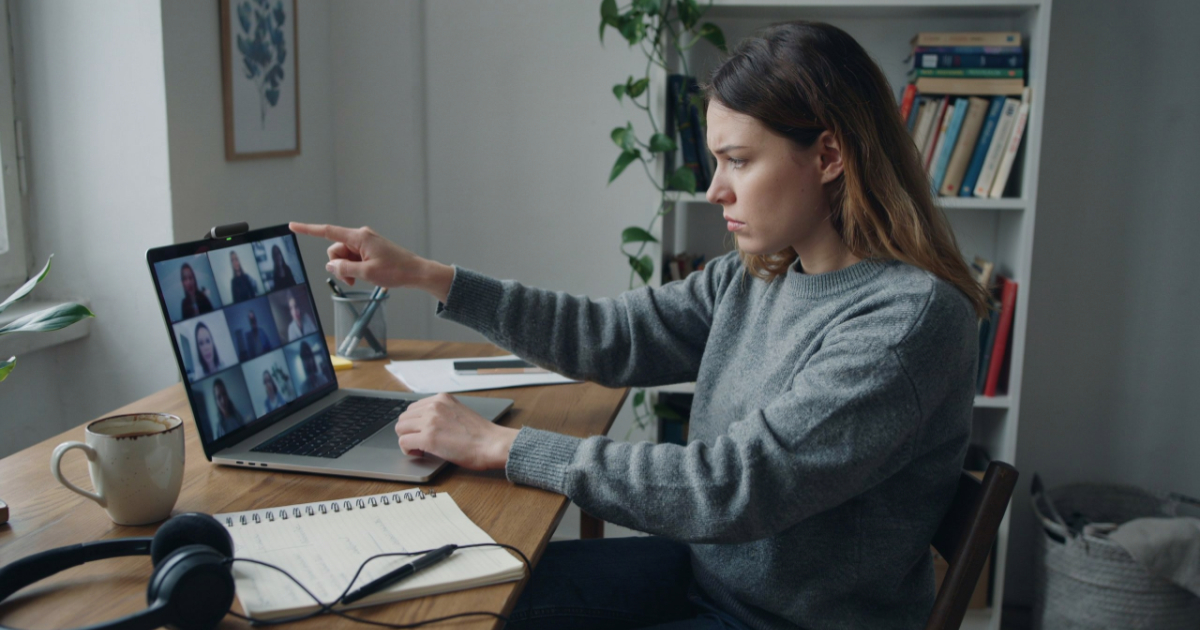
A remote worker pushed back when her boss demanded cameras on for every meeting


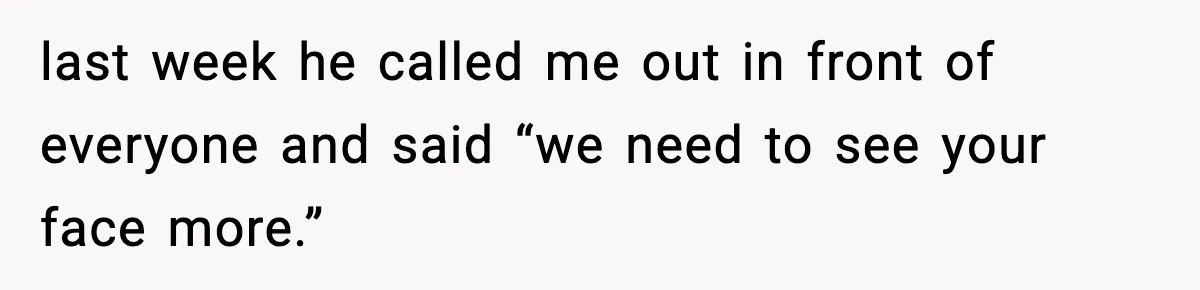
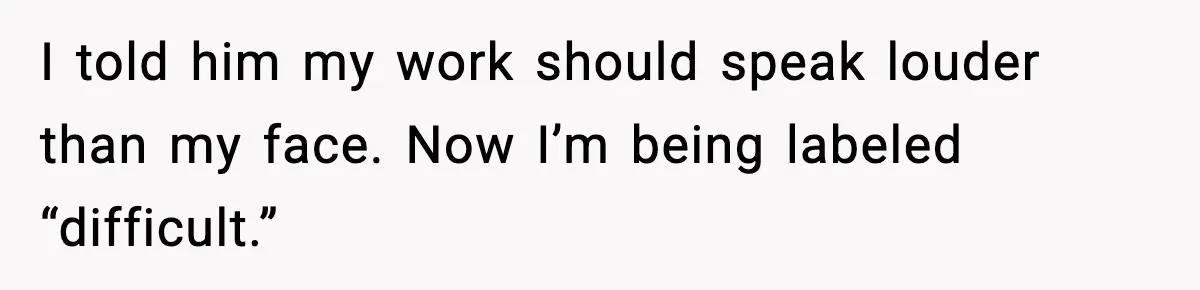
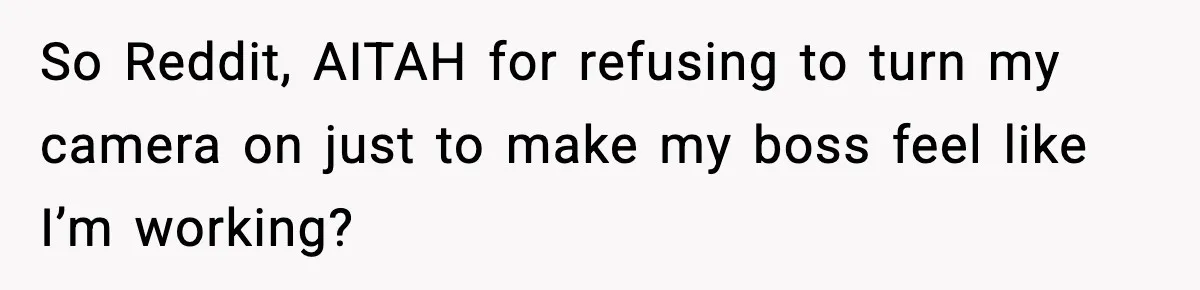
In today’s remote work environment, the tension between visibility and productivity has become a recurring issue.
Many employees struggle with constant video calls, not because they are disengaged, but because cameras can introduce stress, technical difficulties, and feelings of being surveilled.
The OP’s situation exemplifies this conflict: she is performing her duties fully while navigating the demands of a remote workplace that prioritizes appearance over output.
At the core of this story is the balance between autonomy, trust, and engagement metrics.
The OP participates actively, communicates effectively, and completes her responsibilities.
Her preference to keep the camera off is motivated by practical considerations, unstable internet, small personal space, and emotional comfort, rather than a desire to avoid work.
Being publicly called “less engaged” or “difficult” undermines her professional contributions, conflating presence on camera with competence, which research indicates is a flawed measure of productivity in remote contexTS.
Organizational psychology experts note that remote work effectiveness is better assessed through output, quality, and collaboration rather than continuous video surveillance.
For instance, a Harvard Business Review analysis highlights that mandating cameras can create anxiety, reduce focus, and even reinforce inequities, while emphasizing results-oriented metrics preserves both productivity and employee well-being.
Interpreting this in the OP’s case, refusing to turn on her camera consistently is reasonable.
She maintains engagement and fulfills her responsibilities, which are the primary indicators of professional performance.
The boss’s insistence on camera use appears more about optics than actual work outcomes, and labeling her as “difficult” misattributes resistance to compliance with a lack of effort or commitment.
The key takeaway is that productivity and engagement in remote work should be measured by contribution, not continuous observation.
Employees can and should negotiate reasonable accommodations for camera use that balance team cohesion with personal comfort and practicality.
The OP’s stance reinforces the principle that output, communication, and collaboration matter more than being constantly on display, and that maintaining boundaries can coexist with professional accountability.
Here’s the input from the Reddit crowd:
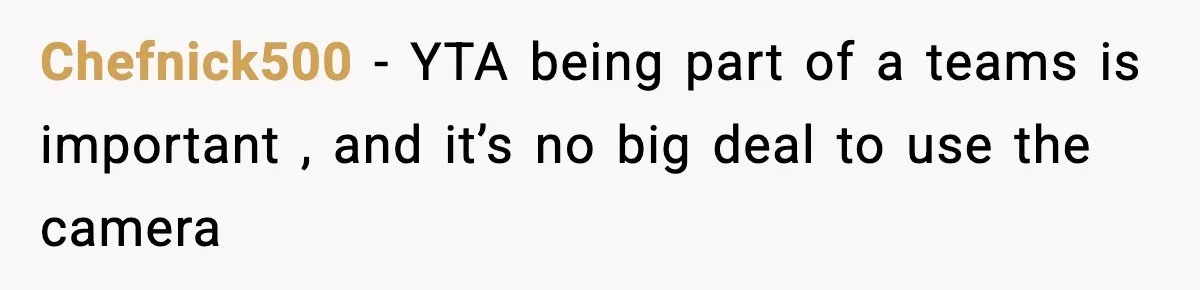
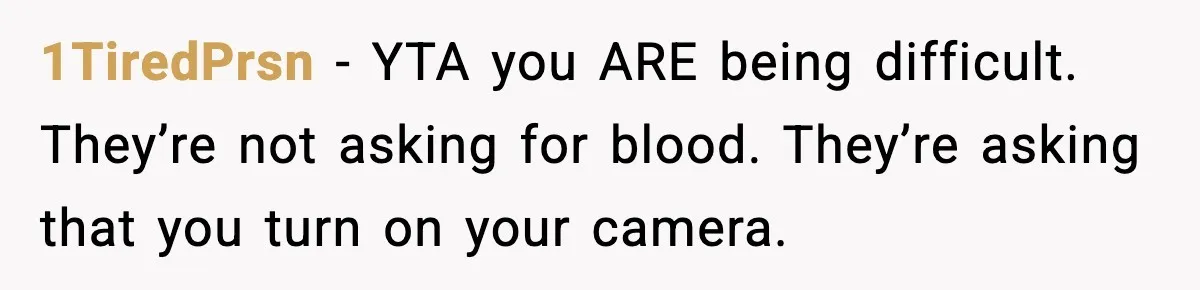
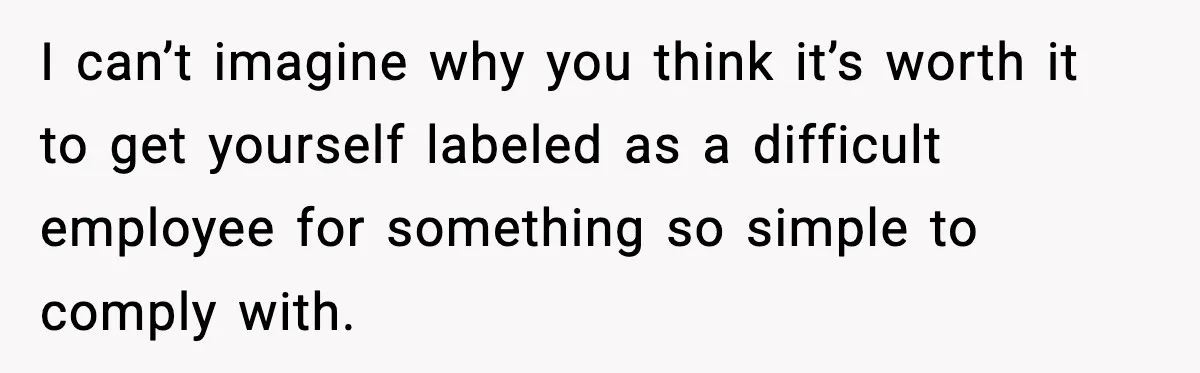
These Redditors said OP was being difficult over a simple workplace rule
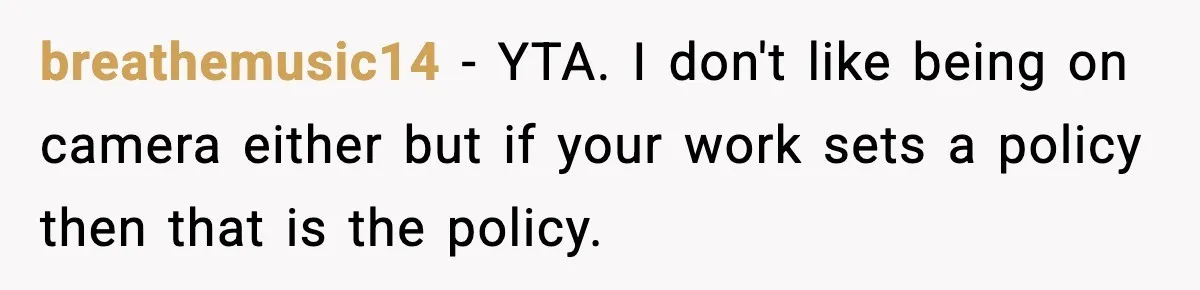

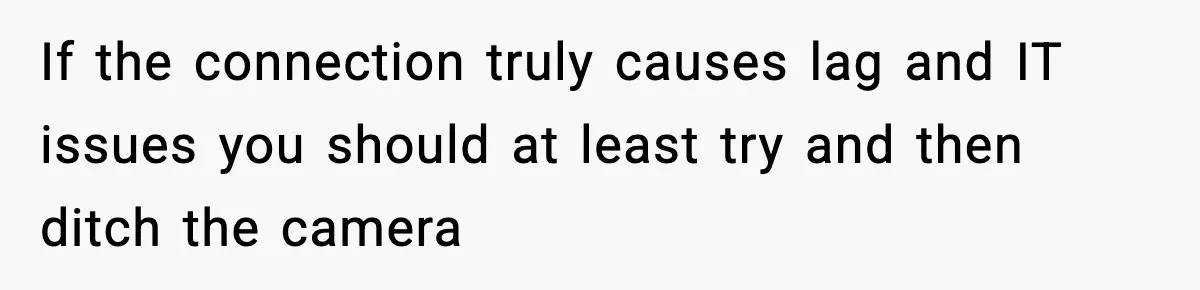



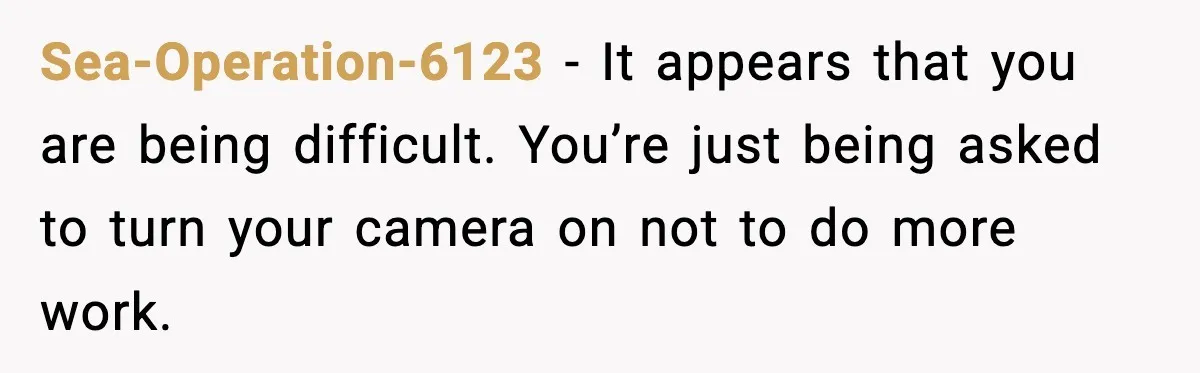

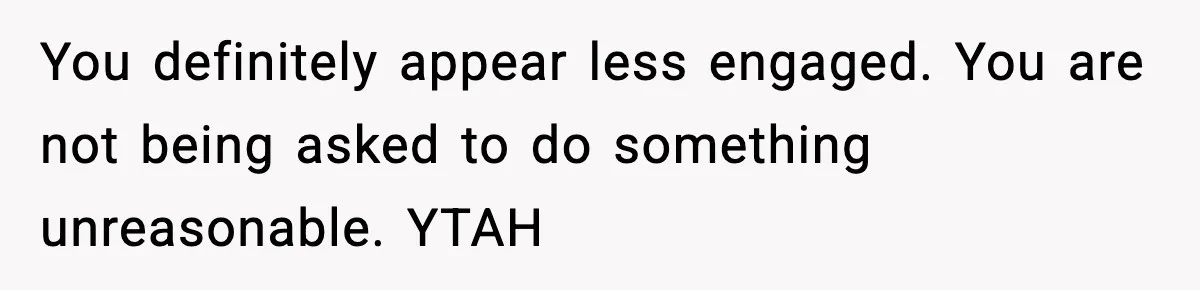
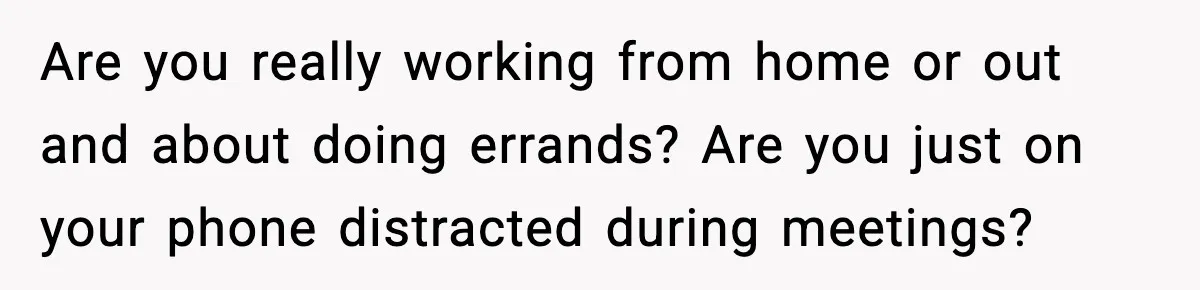
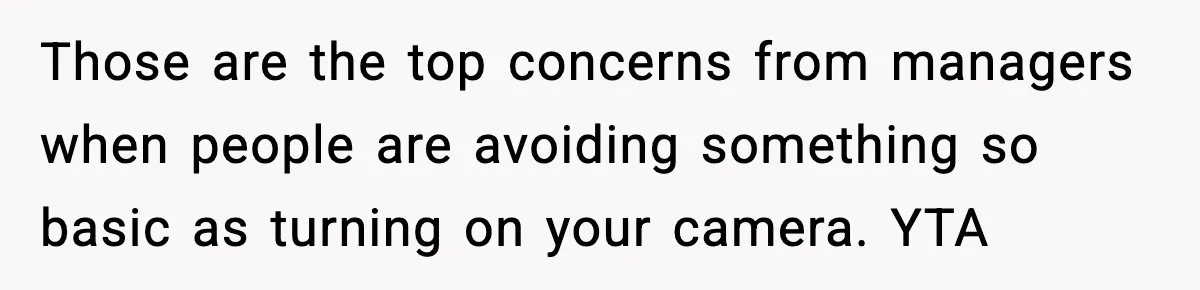
This group argued camera refusal makes OP look disengaged, suspicious, or unprofessional

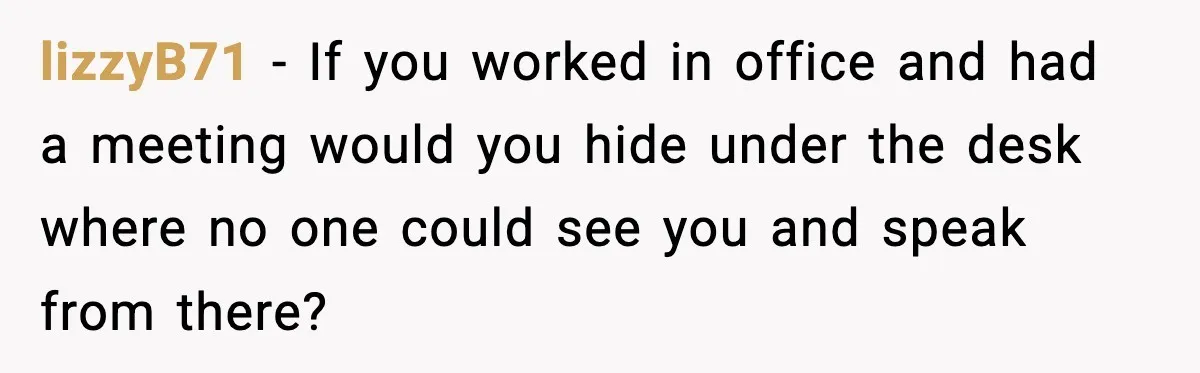
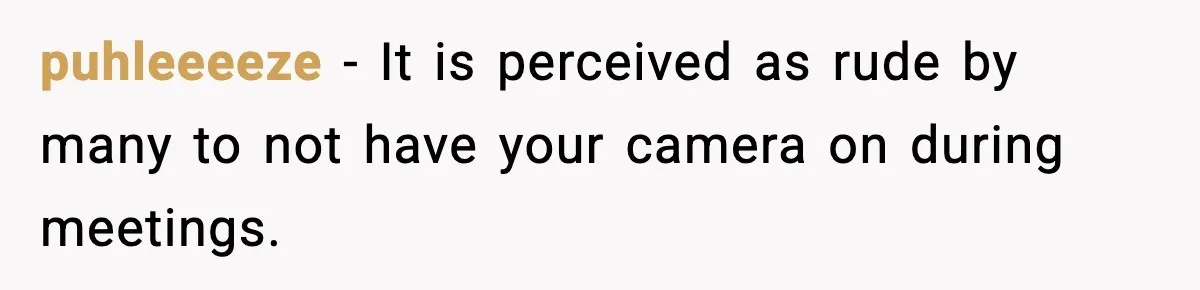

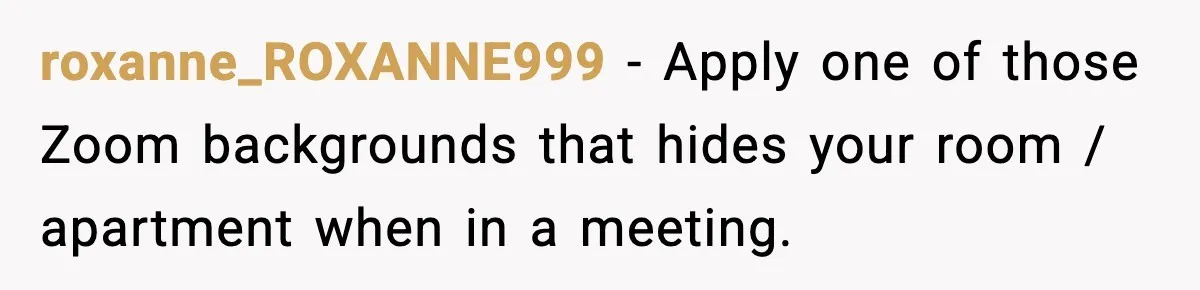
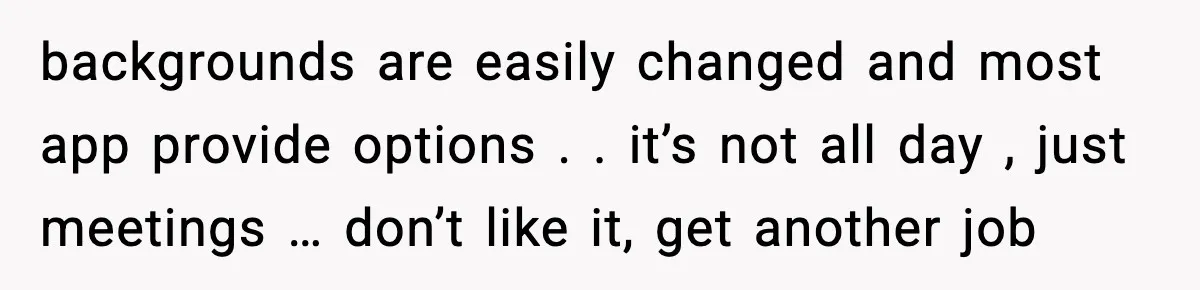
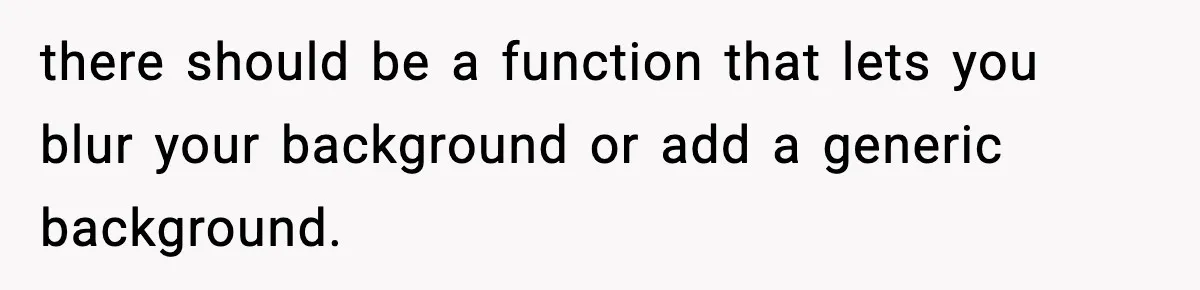
These users suggested using a blurred or virtual background to protect privacy

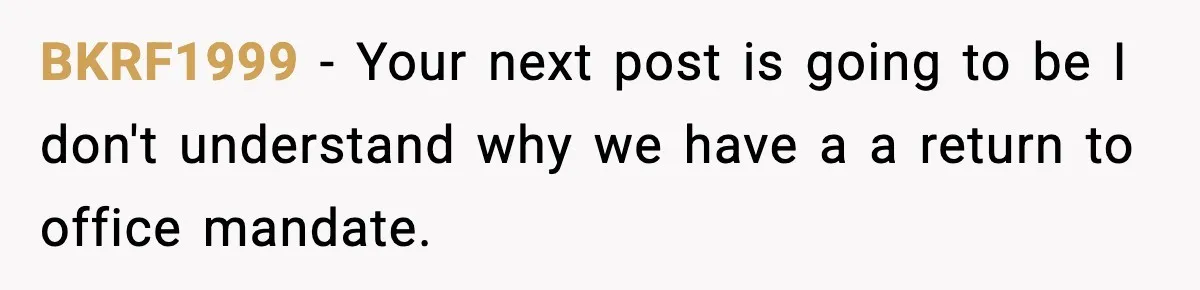
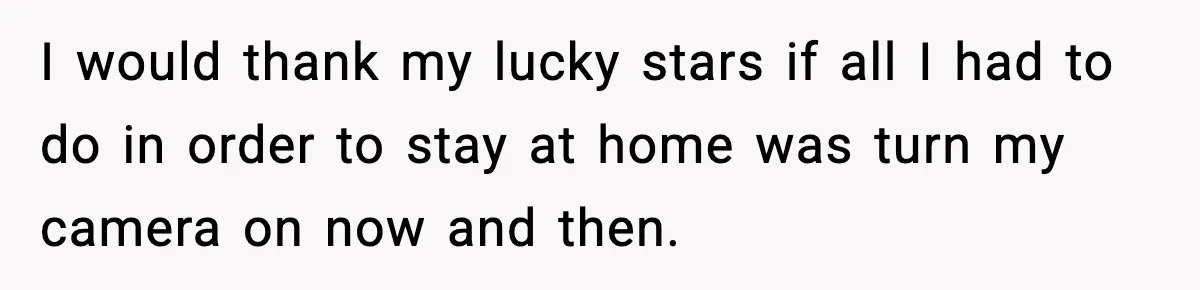
These commenters warned OP that turning on a camera beats returning to the office
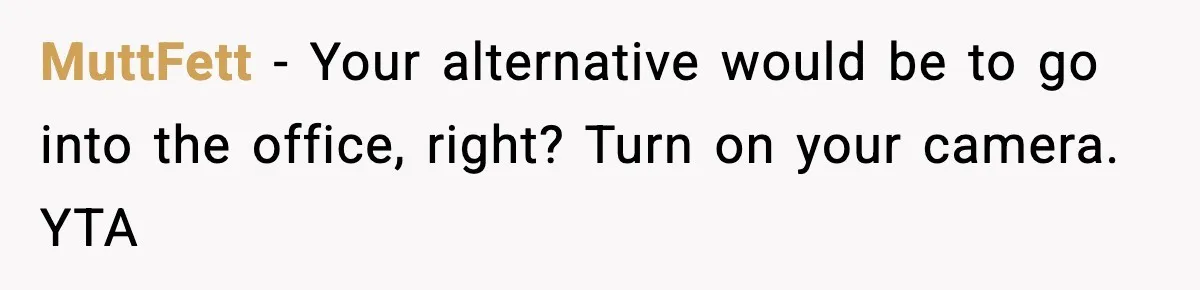
![[Reddit User] − You’ve seen how many employers are requiring a return to office, right?](https://usstorydaily.com/wp-content/uploads/2026/07/1784273405_37_Remote-Worker-Refuses-To-Keep-Her-Camera-On-Now-Her.webp "Remote Worker Refuses To Keep Her Camera On, Now Her Boss Says She’s The Office Problem")



What do you think? Should remote workers have the right to keep cameras off, or is turning one on during meetings a fair tradeoff for working from home?