
Waiting in line is one of those everyday situations where a little patience and awareness can make a huge difference.
Most people understand that special requests take extra time, but frustration often builds when someone seems completely unaware of everyone waiting around them.
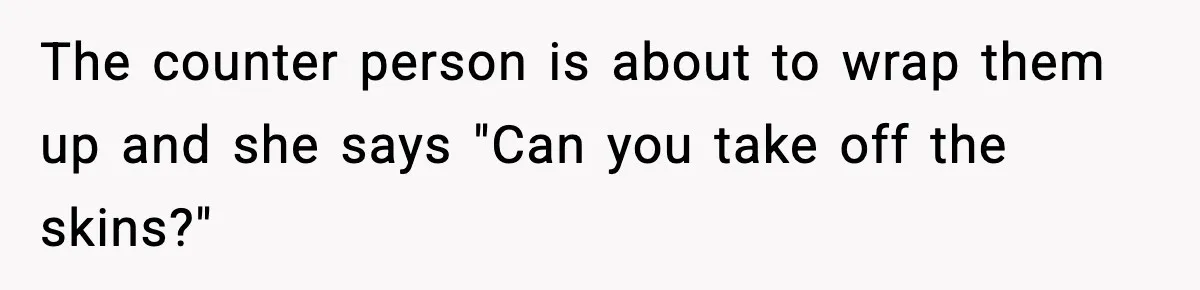
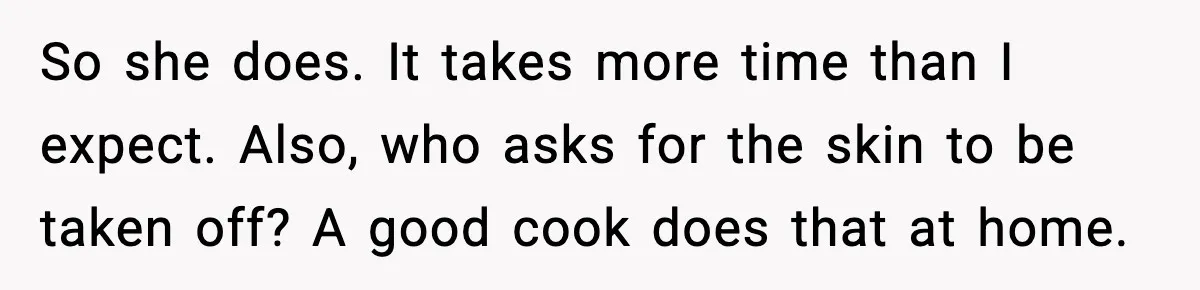
The original poster (OP) was shopping at a supermarket butcher counter when a simple sausage purchase turned into a surprisingly long debate.
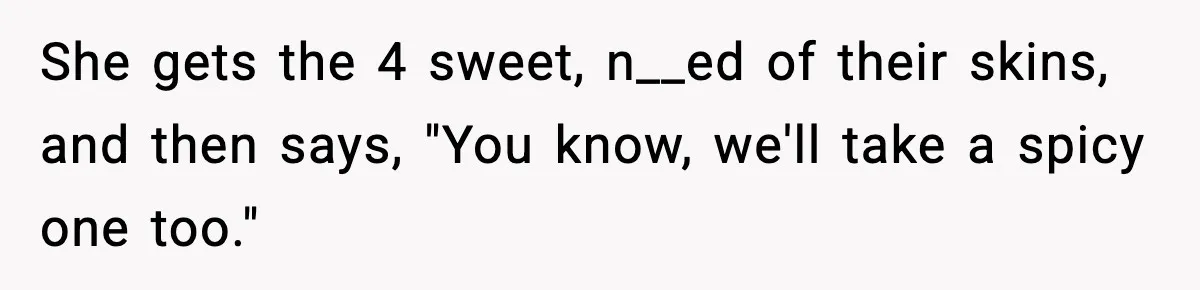
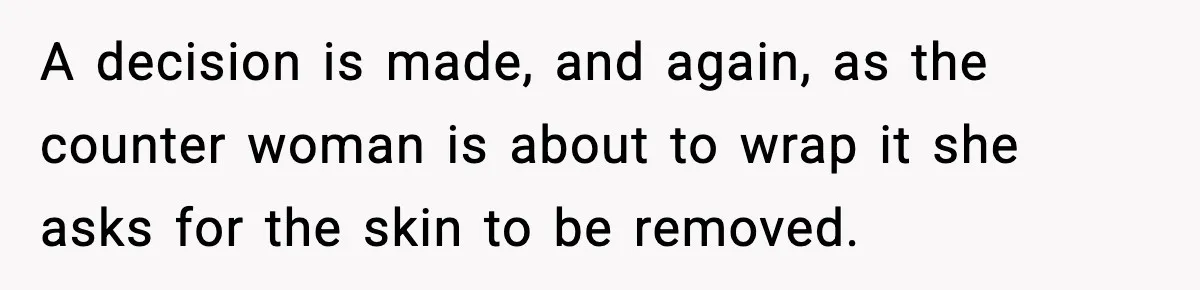
A mother and daughter took their time choosing between different options, asking questions, changing decisions, and adding new requests even after their order was almost finished.
After several minutes of waiting, OP finally made a comment that sparked an unexpected confrontation.
Read on to see whether Reddit thought he was justified or too impatient.
A shopper lost patience at the butcher counter after a mother’s lengthy order held up the entire line



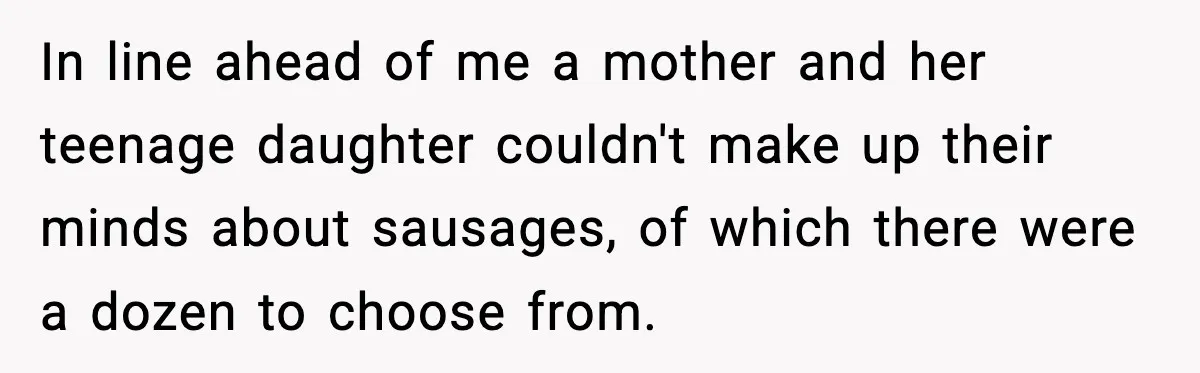
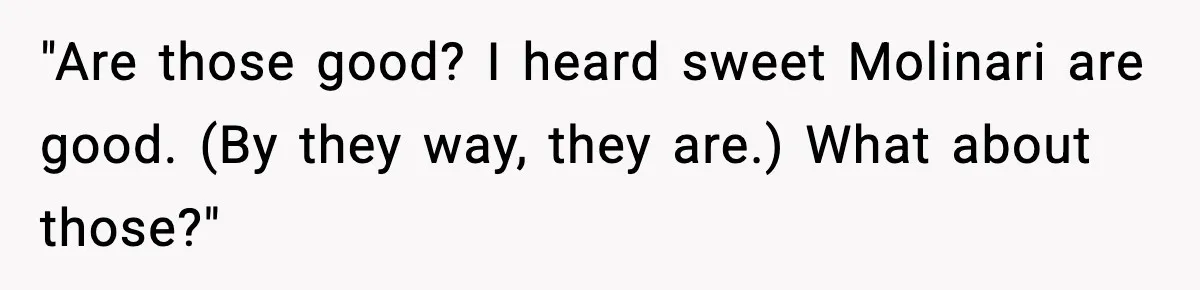


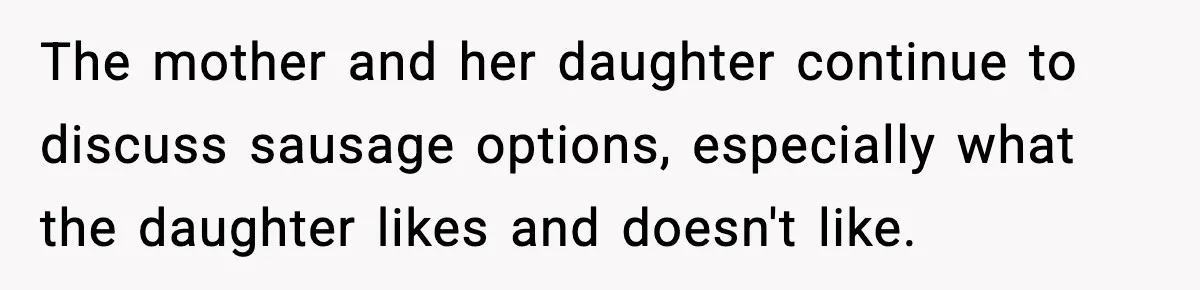
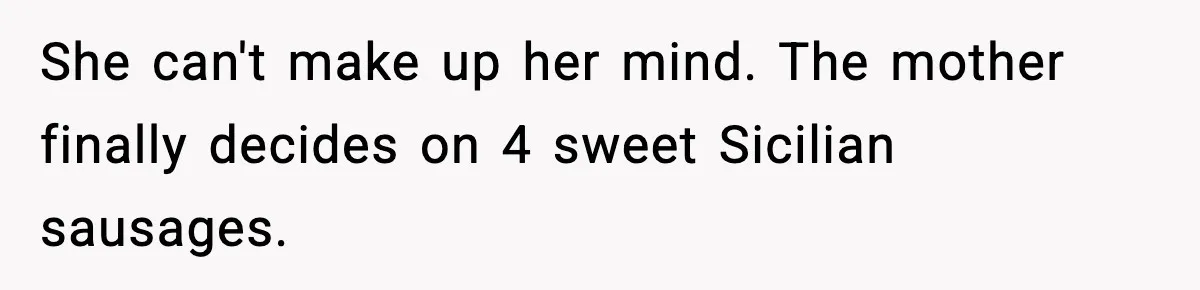




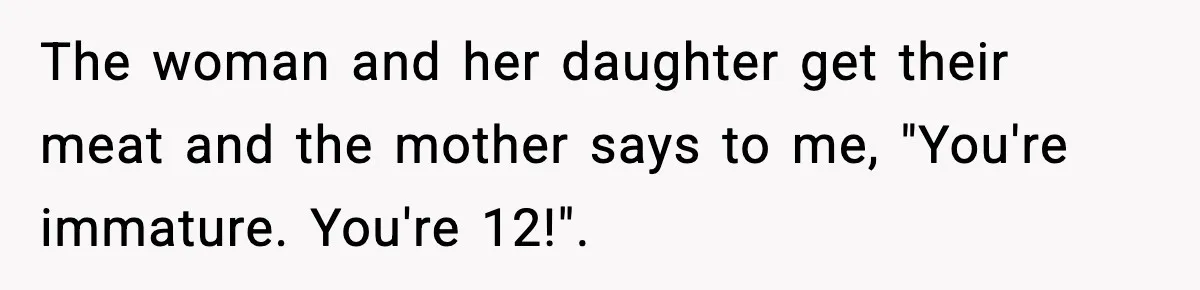
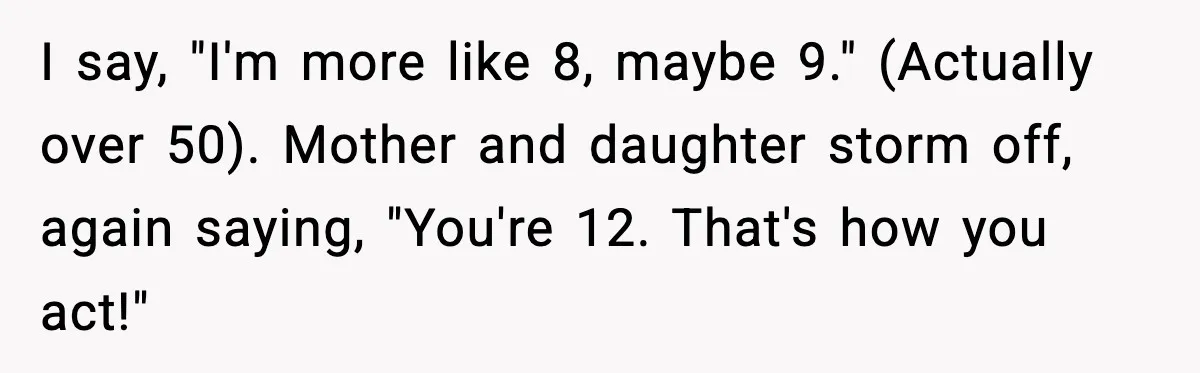






Few things test patience quite like waiting for someone else to make repeated decisions in a slow-moving line.
We all understand that some tasks take time, but the challenge arises when the delay feels inconsiderate or oblivious to others around.
In this story, the OP wasn’t simply annoyed by a long wait; they were frustrated by the repeated disregard for shared space and the way entitlement can overshadow common courtesy.
Their reaction highlights how everyday interactions can trigger a mix of irritation, fairness, and social expectations.
The emotional tension here comes from a clash between personal needs and social etiquette.
The mother and daughter were focused entirely on their own preferences, repeatedly requesting modifications and deliberating at length, without acknowledging the presence or time of other customers.
From the OP’s perspective, their patience was tested not by the act of choosing itself, but by the apparent lack of awareness that others were waiting.
In contrast, the mother interpreted any expression of impatience as rudeness, revealing a common social dynamic: people often misread frustration caused by systemic delays as a personal attack.
The OP’s later explanation—that they were simply expressing frustration, not directing it at the mother—illustrates how easily small misunderstandings can escalate in shared spaces.
Social psychologist Robert Cialdini, in his work on influence and social behavior, notes that humans are particularly sensitive to perceived fairness and reciprocity in group settings.
When one party dominates a shared resource, whether a checkout line or communal service, observers can experience heightened stress and emotional responses.
These reactions are not merely impatience; they are a manifestation of the brain’s sensitivity to inequity and time pressure.
This framework helps explain why the OP’s under-the-breath comment felt natural in the moment.
It was less about the specific sausages or skin removal, and more about the repeated violation of expected social norms regarding consideration for others.
The mother’s defensive response further escalated the situation, as both parties interpreted behaviors through different lenses: one as entitlement, the other as frustration.
The OP’s eventual direct clarification—explaining that the comment referred to their own patience, not a critique of the mother—demonstrates the importance of communication in de-escalating conflicts and maintaining social understanding.
Ultimately, this story reflects a common social challenge: navigating shared spaces with competing priorities.
While waiting can be frustrating, expressing feelings calmly and clarifying intentions can prevent misunderstandings from turning minor annoyances into confrontations.
The OP’s experience shows that patience is a shared responsibility, and that brief acknowledgment of others’ presence and time can make a small difference in maintaining harmony in everyday interactions.
These are the responses from Reddit users:
These Redditors said OP’s mockery made her partially at fault, making the situation ESH
 Mom Refuses To Fire The Family’s “Chaotic” Nanny, And Her Husband Says She’s Ignoring Him


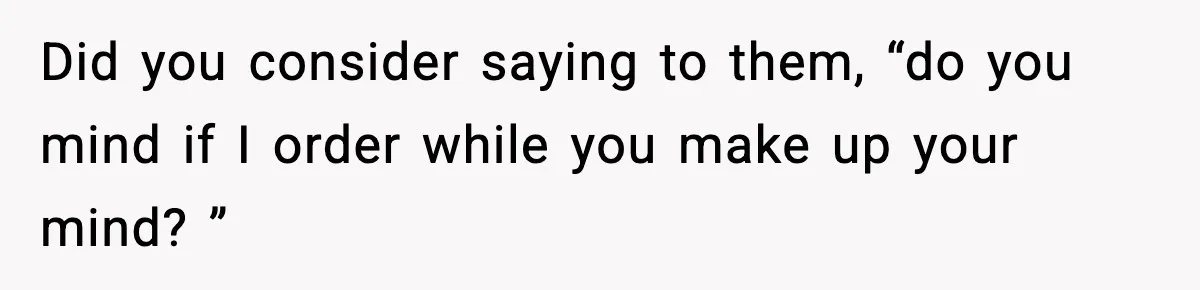

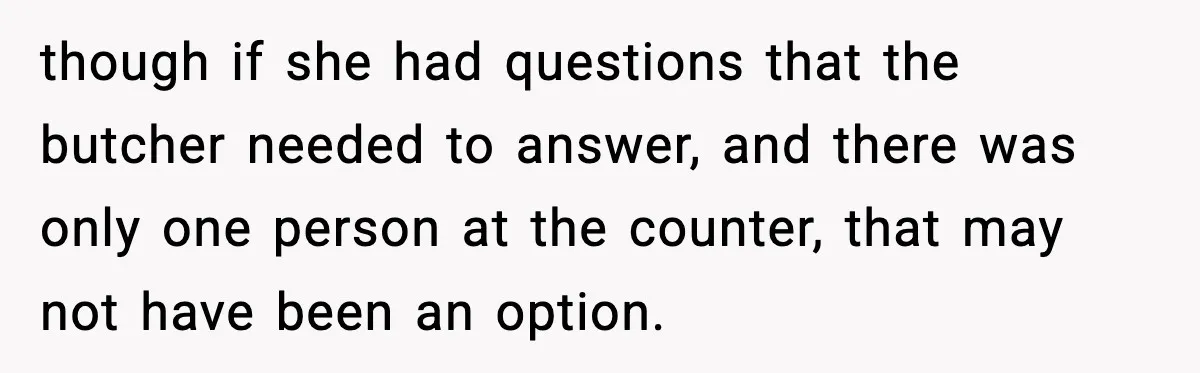

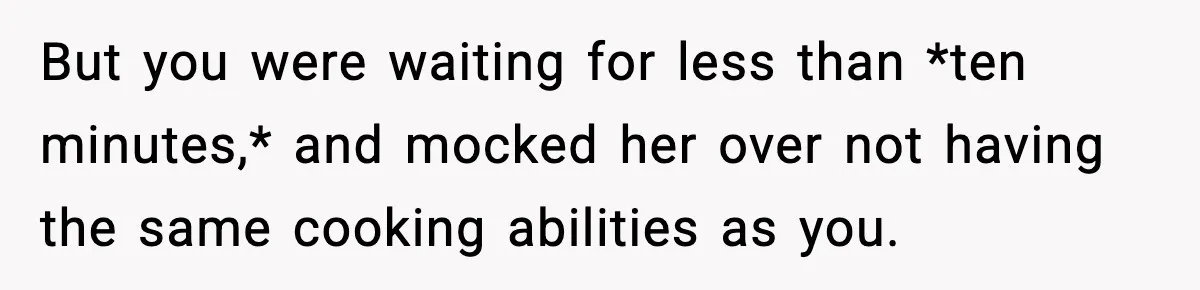
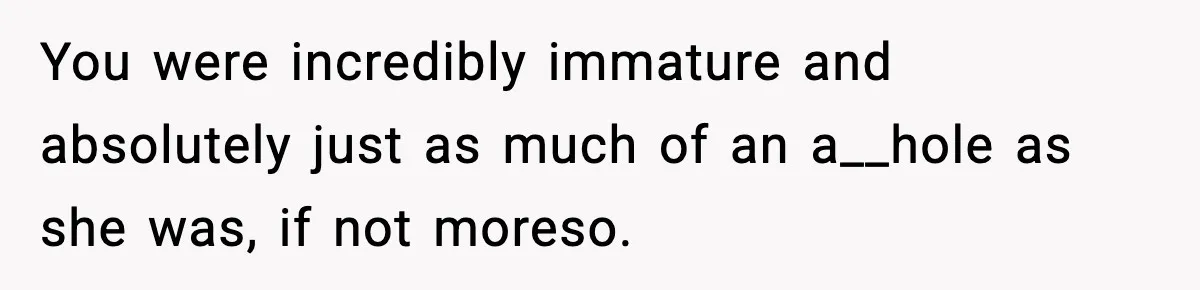
This group supported OP, arguing the other customer was inconsiderate and caused the wait
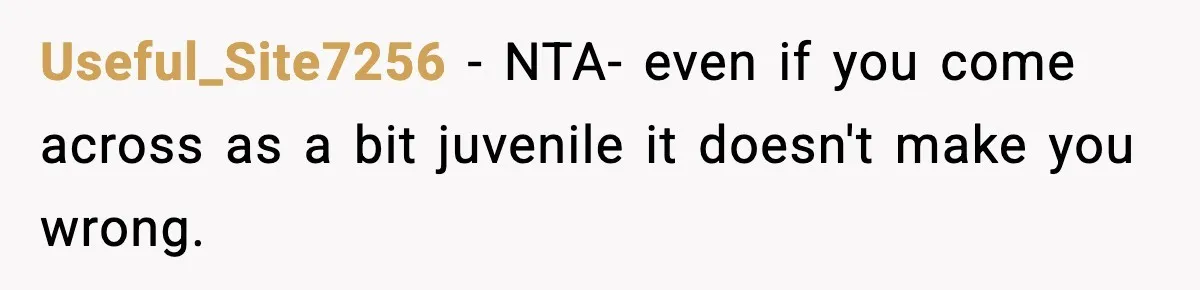

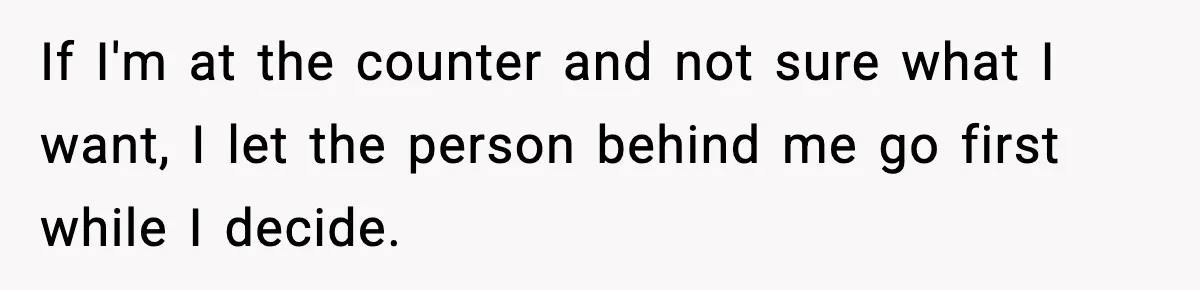

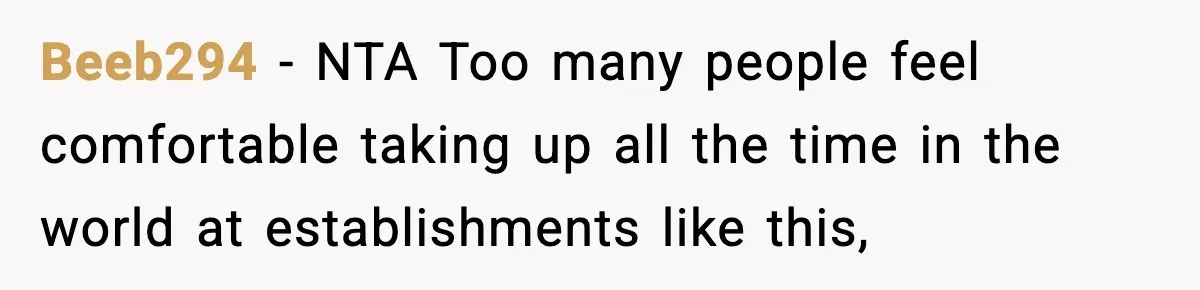

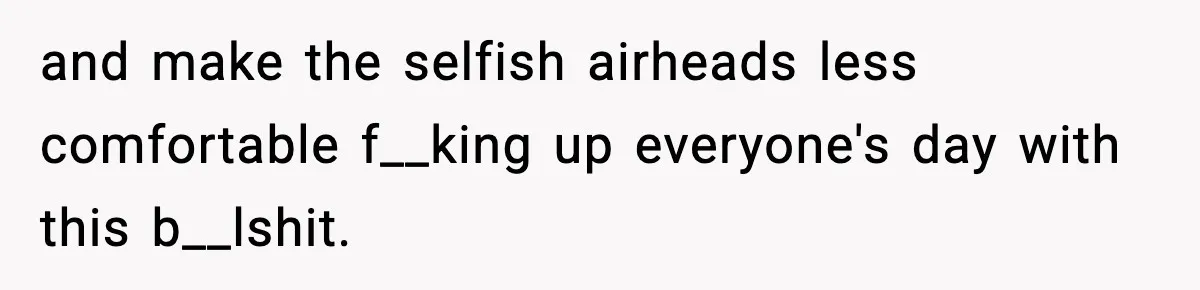
These commenters said OP’s initial frustration was justified, even if the mocking was excessive



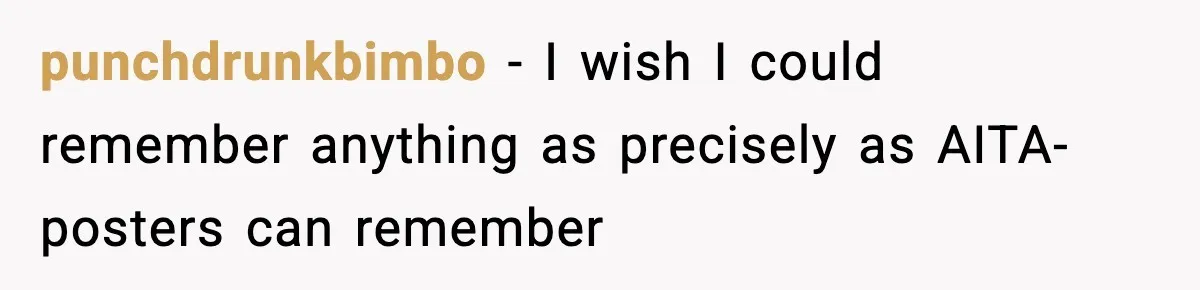

This group felt OP overreacted, mocking and talking down to the other customer was childish and unnecessary
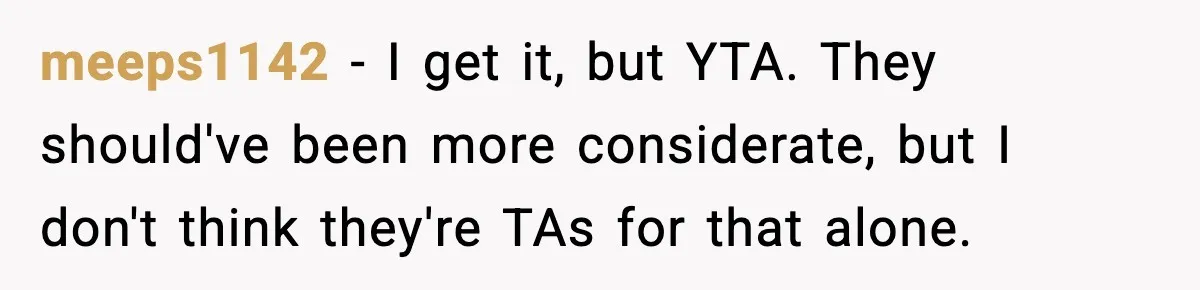







Even in everyday environments like grocery stores, human behavior can provoke strong reactions.
Waiting for service tests patience, but the way we respond matters.
Expressing frustration is natural, but handling it respectfully prevents escalation.
In this case, the adult customer’s impatience is understandable, though the choice to mock highlighted the challenge of balancing honesty with courtesy.
Social etiquette experts suggest clear communication and measured responses remain the best tools for navigating similar encounters.