
Family conflict can get complicated fast, especially when trust and boundaries are shaky.
Even simple plans can spiral into tense standoffs when emotions run high.
This 17-year-old Redditor faced exactly that when tension with her stepmother escalated.
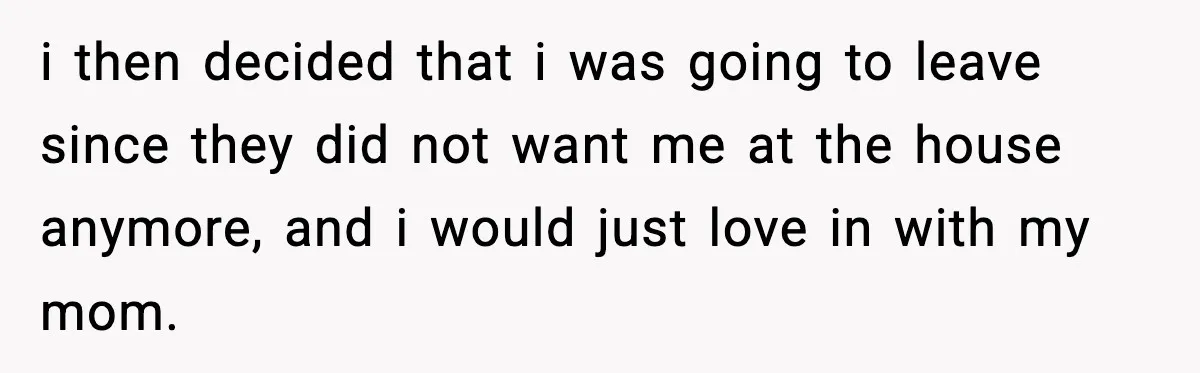
After overhearing discussions about being kicked out, she decided to leave her parents’ house voluntarily and retrieve her belongings.
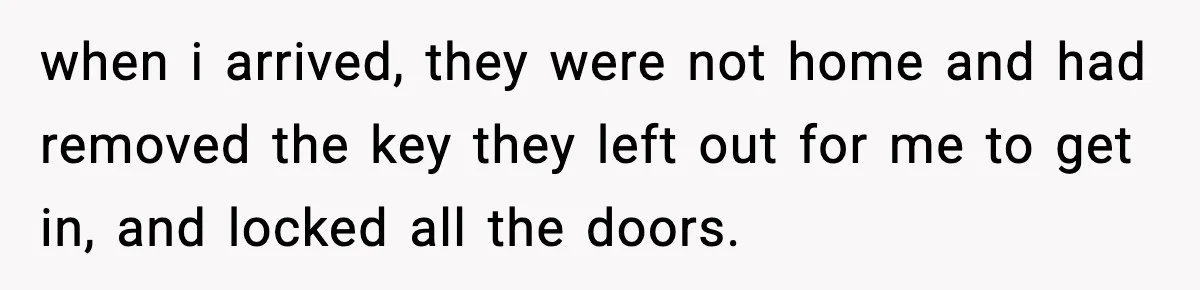
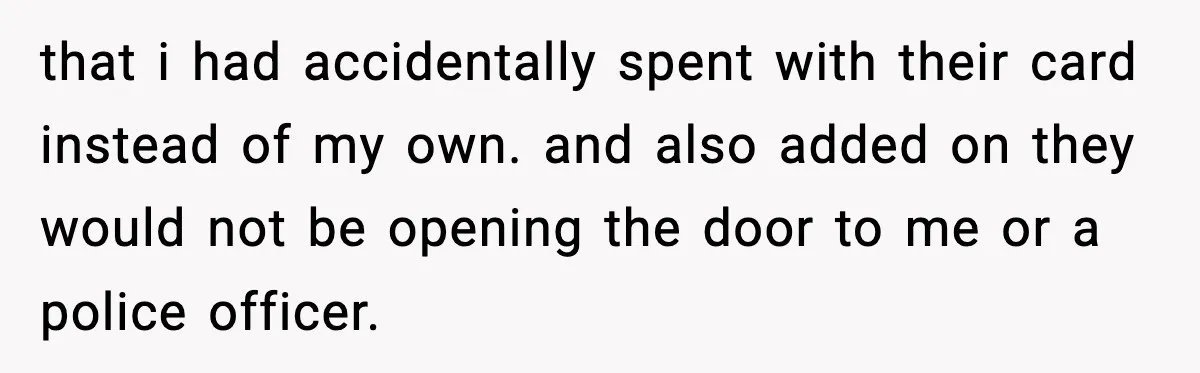
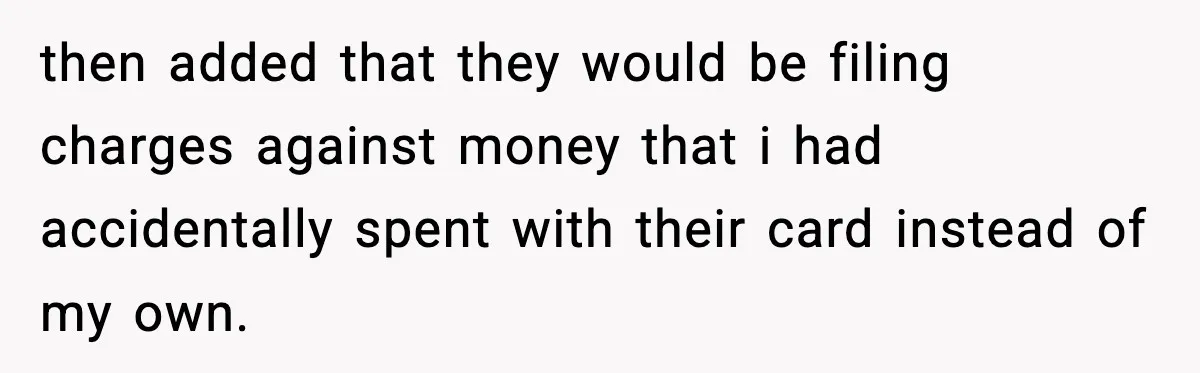
Instead of support, she was met with locked doors, disputes over money, and even threats of legal action.
Scroll down to see how the situation unfolded and why she’s questioning who’s really in the wrong.
A 17-year-old decided to move in with her mother after her parents threatened to kick her out, only to be denied access to her belongings and cat

































Few experiences are more confusing and emotionally charged than realizing that the people who are supposed to provide safety may also be the ones creating uncertainty.
In this situation, the OP was navigating not only a challenging household dynamic but also a transition to adulthood.
The conflict arises from a combination of past tension, inconsistent communication, and unclear expectations about independence.
The emotional tension comes from the fact that the OP’s stepmother and father had previously discussed the possibility of removing her from the home.
Once the OP tried to act on that and take steps to move in with her mother, the same parents questioned her mental stability and refused to provide access to her belongings.
From the OP’s perspective, she was attempting a reasonable, self-protective action based on prior threats and ongoing unsafe dynamics.
From the parents’ perspective, they may have felt blindsided by her independence or worried about her decision-making.
The overlap of safety, autonomy, and perceived disobedience created a situation where everyone felt justified in their reactions.
A psychological perspective from Dr. Nedra Glover Tawwab highlights the importance of boundaries and consistent communication in family relationships.
She emphasizes that adolescents and young adults must be allowed to set and act on boundaries for their emotional and physical safety.
When authority figures deny reasonable autonomy or ignore expressed boundaries, it can exacerbate stress and feelings of instability.
Applying this perspective helps explain why the OP’s actions were reasonable.
She was acting on information about her parents’ intentions, prioritizing her safety, and attempting to recover her personal property.
The refusal of the parents to provide access to her belongings, including essential items and a pet, demonstrates a lack of respect for her boundaries and autonomy.
While the parents may have felt justified in their concerns about mental stability, the OP’s choices were rational, responsible, and aligned with her immediate needs.
The situation also illustrates the challenges of blended families and co-parenting with conflicting communication.
Inconsistent rules, unpredictable reactions, and previous disputes over control can create an environment where young adults feel compelled to take protective action.
 Brother Called Her A “Slut” Over A Modest Swimsuit, Then Her Parents Said She Was Overreacting
Seeking safe alternatives—like moving in with her mother or arranging a neutral location for belongings—is a valid strategy for self-preservation.
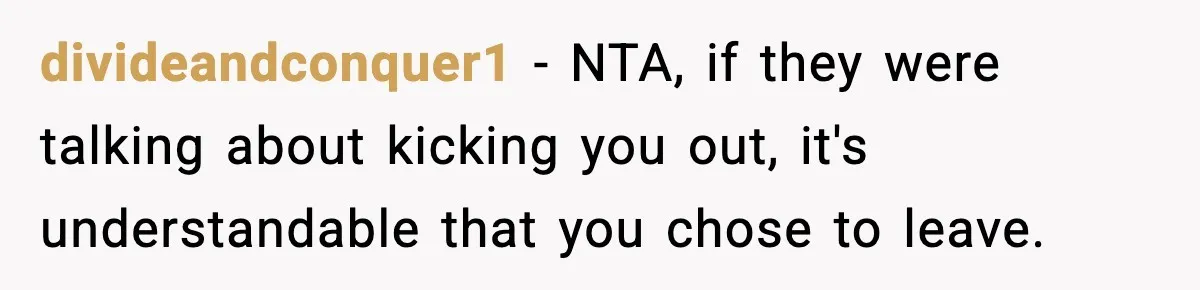
Ultimately, the OP is not the jerk in this scenario.
She responded to an unstable and potentially unsafe situation with clear action to protect herself and her possessions.
The difficulties arise from parental overreach, inconsistent boundaries, and lack of communication.
The situation highlights the importance of respecting young adult autonomy, particularly when safety and well-being are at stake.
Here’s what Redditors had to say:
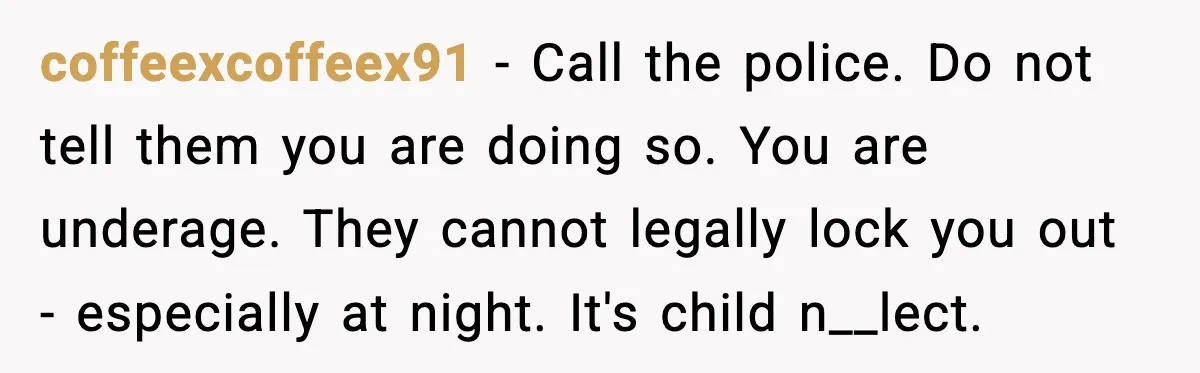
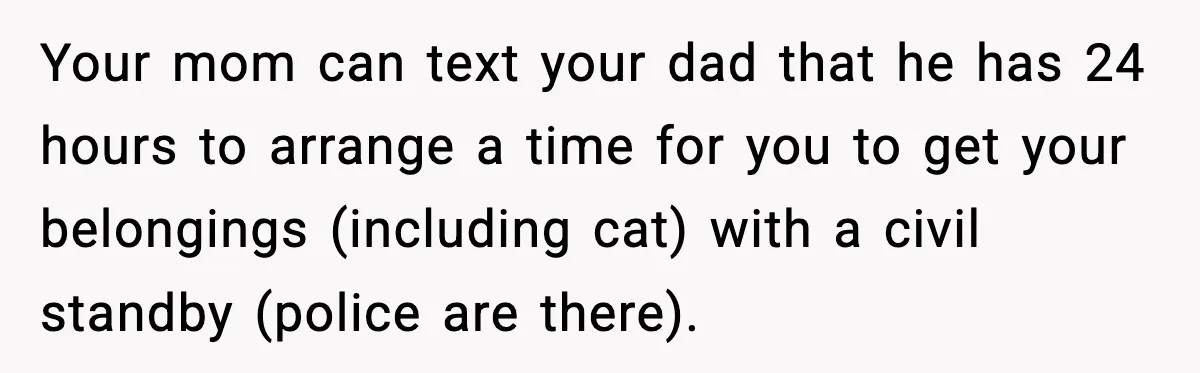
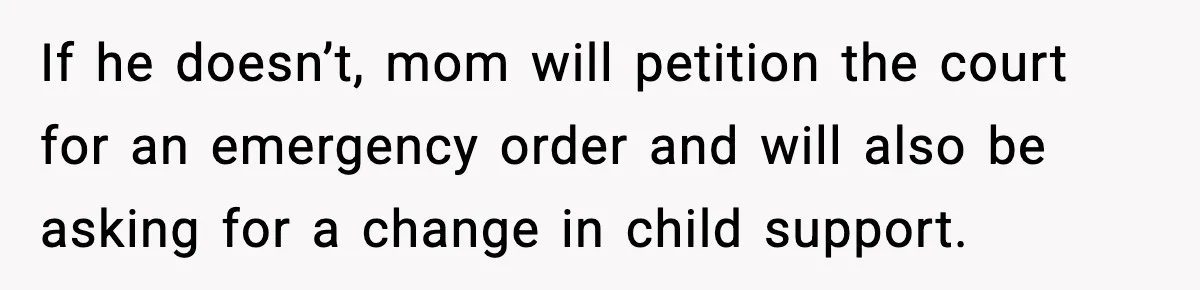
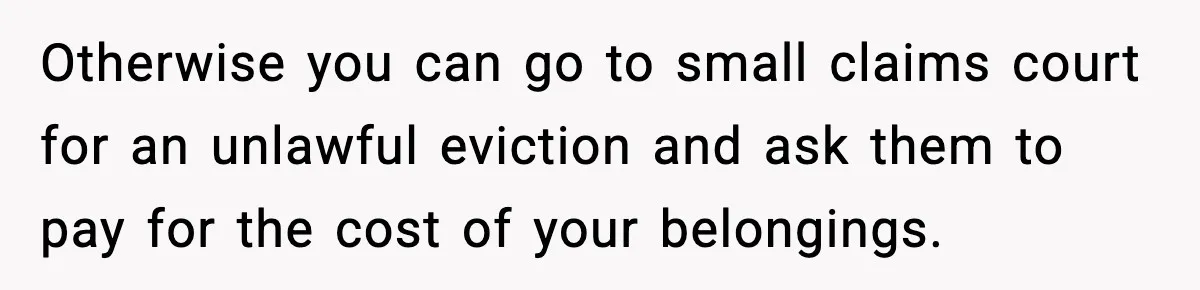
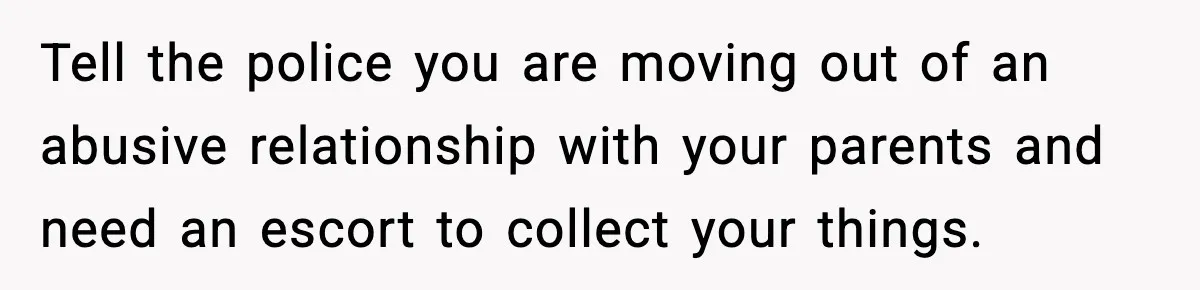
These commenters advised involving police or legal authorities to secure belongings and prevent illegal eviction















This group highlighted the practical need for access to the house and essential items, emphasizing safety and preparedness






These users focused on reclaiming personal property and taking steps to protect oneself from unlawful or unfair treatment








What do you think? Was leaving before things escalated the smartest decision, or should she have tried one more conversation? Share your thoughts in the commenTS.