
Helping a friend get a job can be a huge act of kindness, but it does not mean you are responsible for protecting them from the consequences of their own choices.
Sometimes loyalty and honesty can end up pulling people in completely different directions.
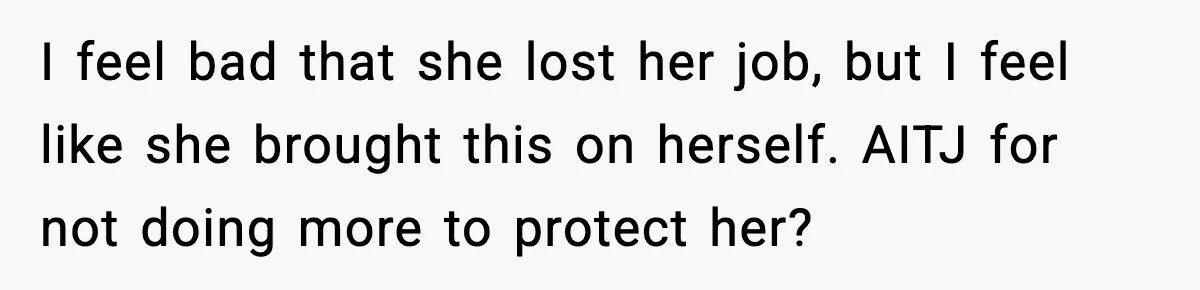
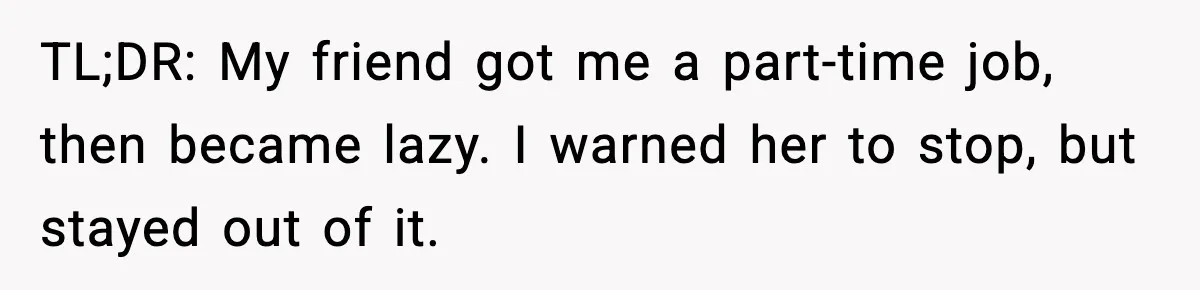
The original poster was grateful when her friend helped her land a part-time position.
She worked hard to prove herself, but soon noticed her friend’s attitude at work had changed.
After several warnings went ignored, the poster decided to stay out of it and simply focus on her own responsibilities.
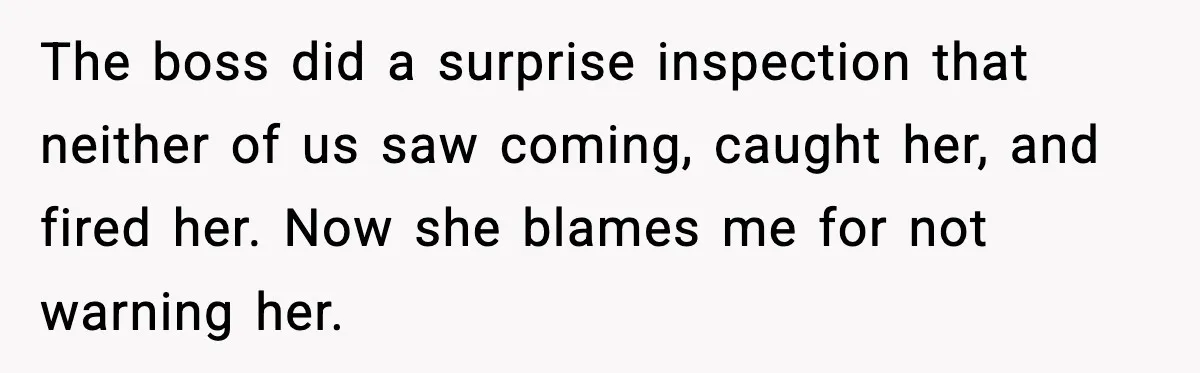
Then a surprise inspection happened, leading to a consequence nobody expected.
Read on to find out why the friend believes the poster should have done more.
A worker refused to cover for her friend after repeated warnings, leading to an unexpected firing









One of the hardest lessons in friendships is learning where support ends and personal responsibility begins.
Helping someone through a difficult moment can be an act of loyalty, but protecting someone from the consequences of their own choices is a different thing entirely.
Many conflicts happen when one person expects a friend to rescue them from a situation they created themselves.
In this situation, the OP appears to be struggling with guilt because Jean was the person who helped open a door for her professionally.
That history created a sense of obligation, and Jean seems to have used that favor as a reason why the OP should have protected her later.
However, the circumstances after the hiring were different.
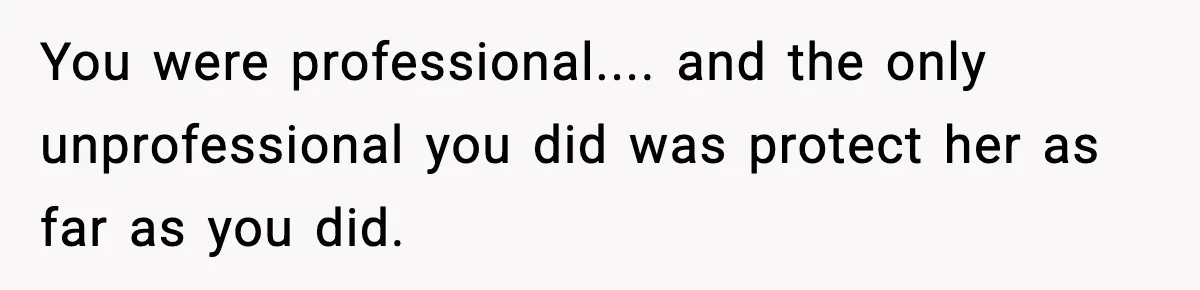
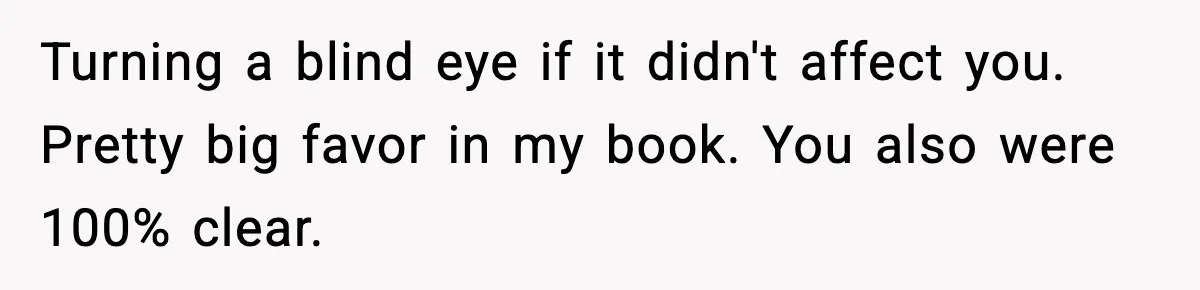
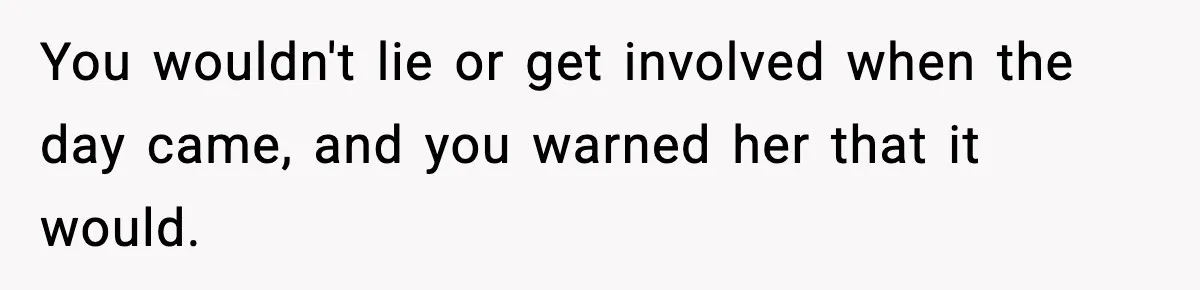
The OP worked hard to maintain her own reputation, warned Jean about her declining performance, and clearly communicated that she would not lie or cover for her.
When the surprise inspection happened, the OP was not responsible for the timing, the decision to inspect, or Jean’s behavior during work hours.
The firing was connected to Jean’s own choices, not the OP’s silence.
A different perspective is that friendships can sometimes blur the line between loyalty and enabling.
Jean may have interpreted the OP’s silence as betrayal because she expected the same loyalty she showed when helping her get hired.
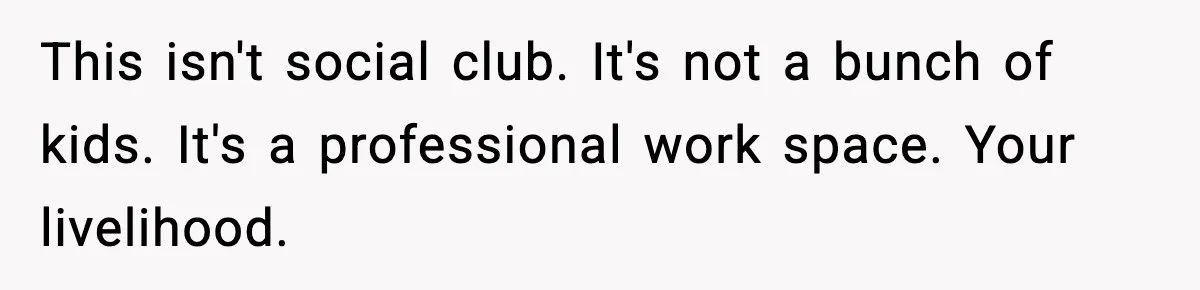
However, professional environments operate differently from personal relationships.
A friend can offer advice, encouragement, and honesty, but they cannot take responsibility for another adult’s workplace conduct.
In fact, covering for someone’s repeated negligence could have damaged the OP’s own job security and reputation.
Protecting a friend does not require sacrificing yourself for decisions they refuse to correct.
Psychologist Dr. Harriet Lerner, author of The Dance of Anger, has written about the importance of separating personal responsibility from emotional pressure in relationships.
She explains that people often feel guilty when they stop rescuing others, even when those actions are necessary to maintain healthy boundaries.
Verywell Mind similarly notes that healthy friendships require mutual accountability, where support does not mean excusing harmful or irresponsible behavior.
Viewed through that lens, the OP’s actions seem less like abandoning a friend and more like refusing to participate in something dishonest.
She did not report Jean, sabotage her, or secretly try to get her fired.
She gave warnings and allowed Jean the opportunity to change.
The difficult truth is that sometimes people become angry not because someone hurt them, but because someone refused to save them from the consequences they created.
Jean’s disappointment may be understandable emotionally, especially because she helped the OP get the job.
But gratitude for one favor does not create a lifetime obligation to protect someone from accountability.
Strong friendships are built on honesty, not on expecting someone else to carry the consequences of your choices.
Sometimes the most respectful thing a friend can do is tell the truth, step back, and allow another person to learn from the outcome.
 Father Chooses To Keep Supporting His Mother-in-Law, But Refuses To Help His Pregnant Daughter
Let’s dive into the reactions from Reddit:
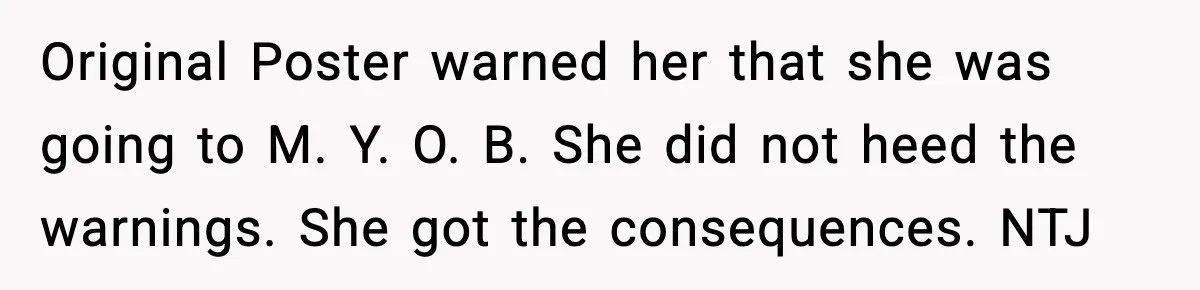
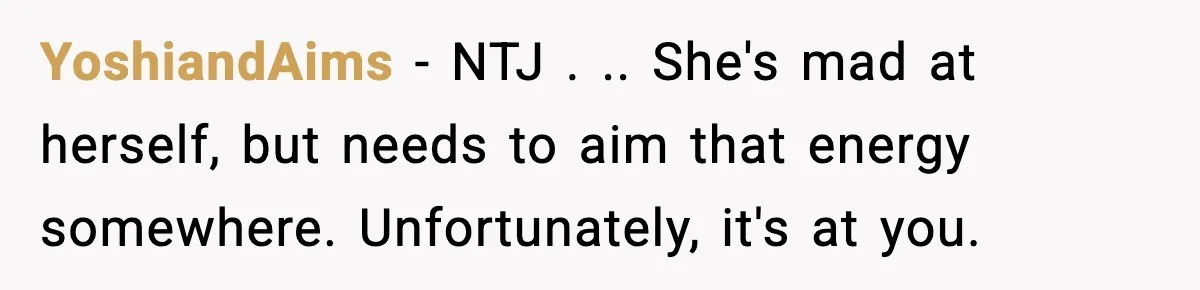
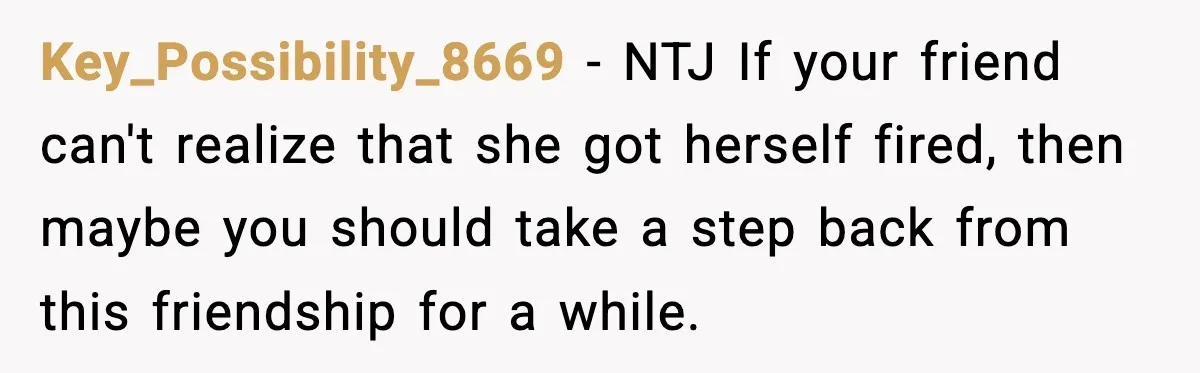
These Redditors said she was responsible for her own firing and should accept the consequences


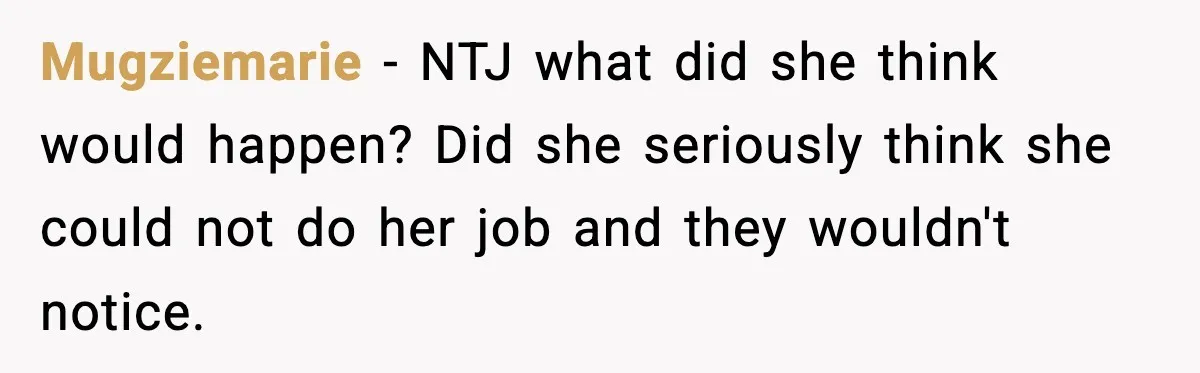
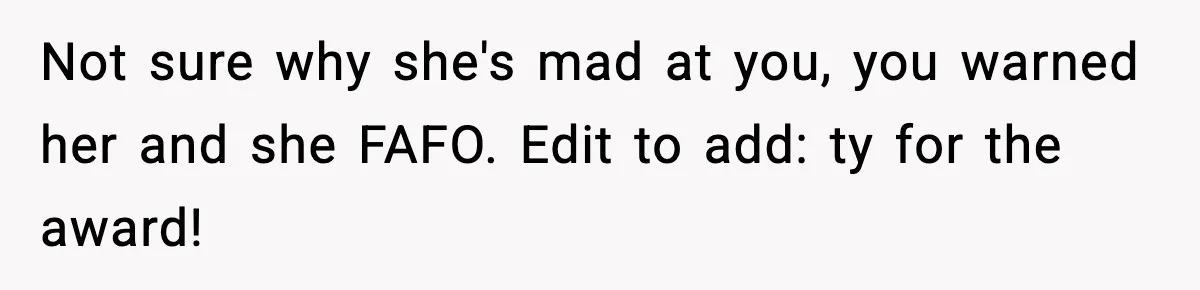


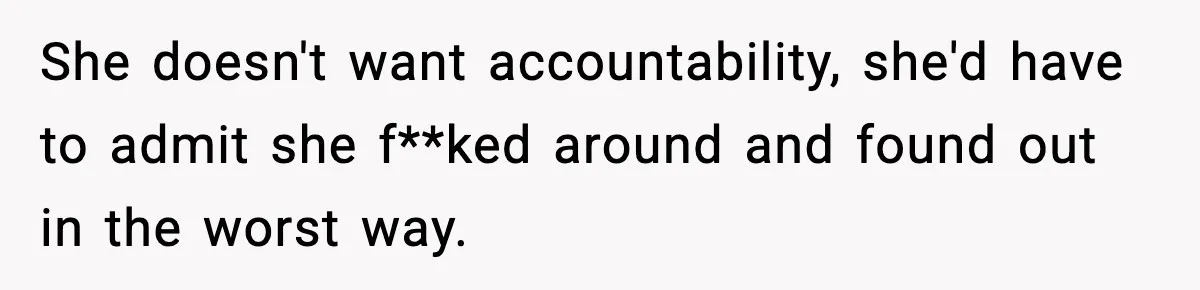
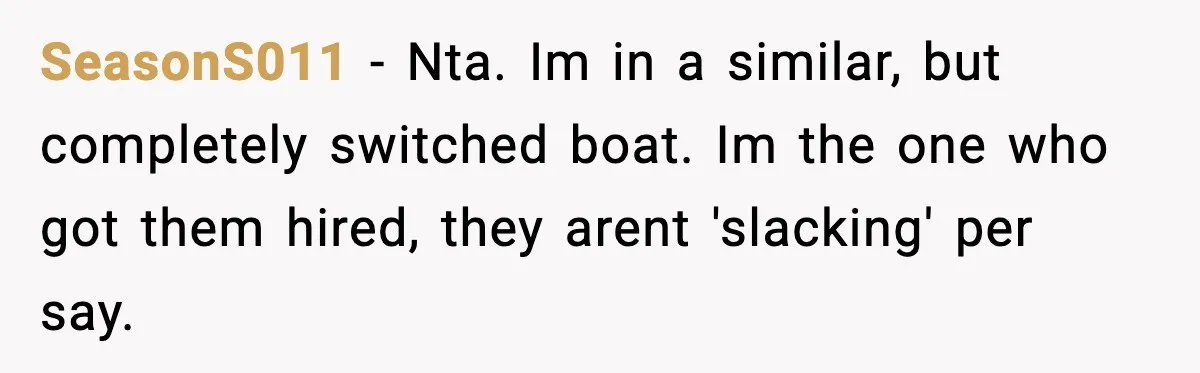
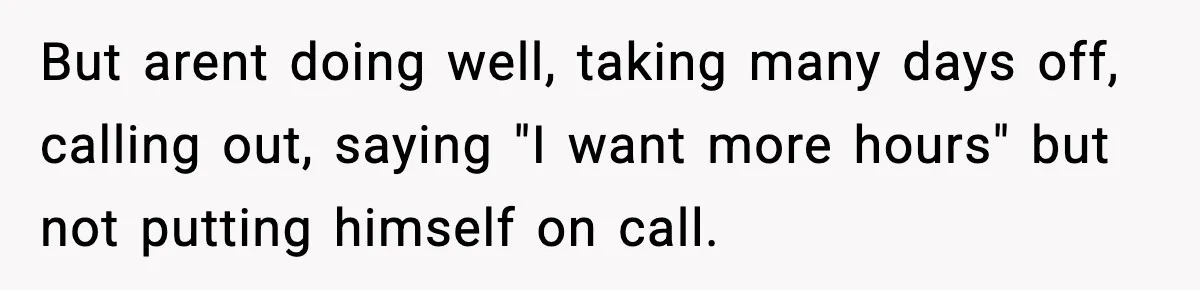
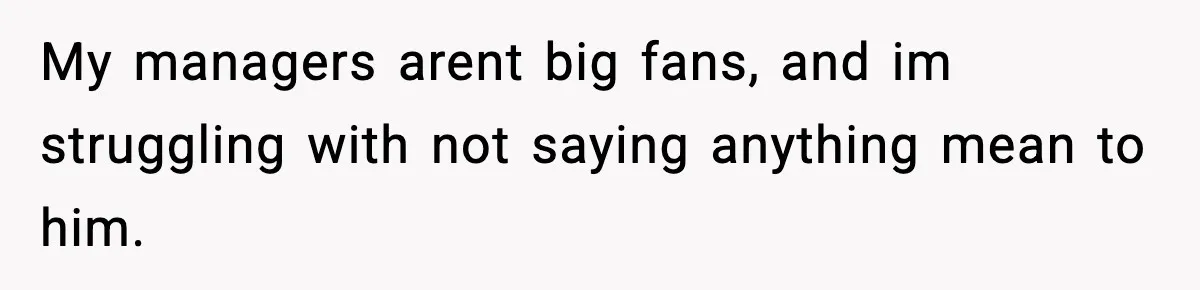
This group emphasized that OP warned her repeatedly and was right not to risk their own job
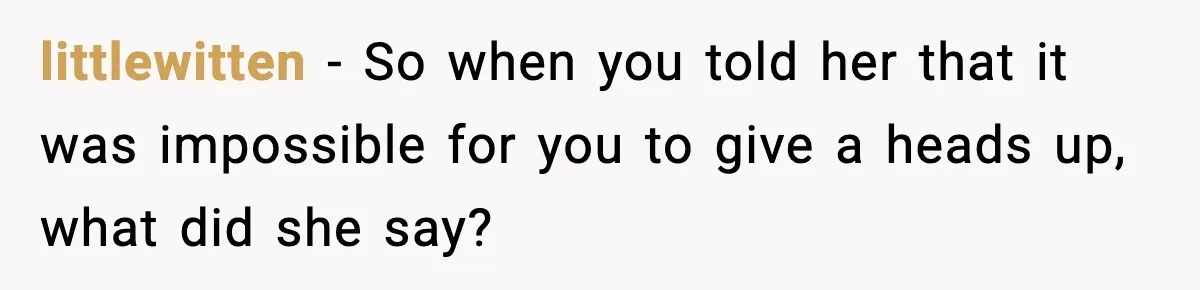
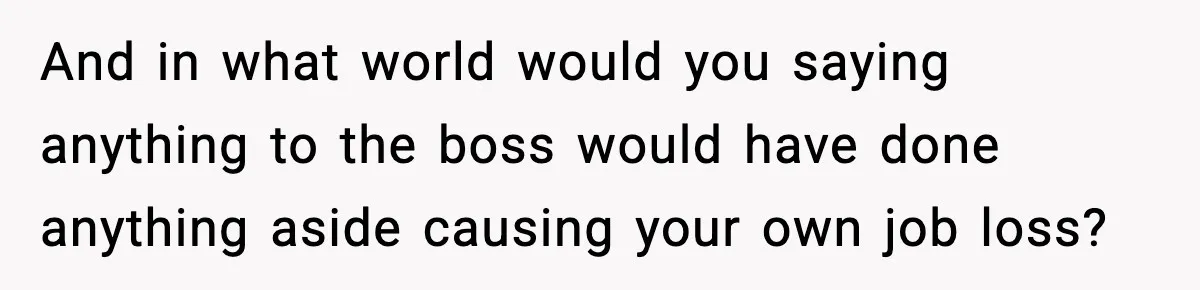
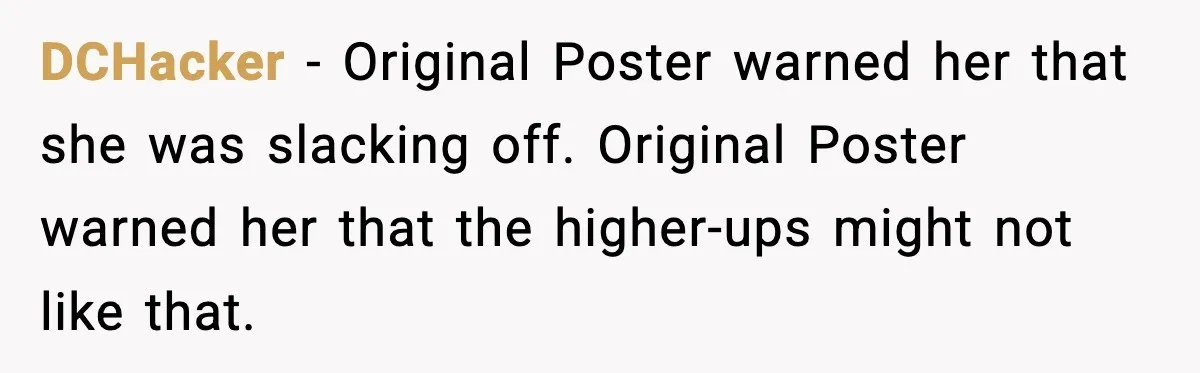


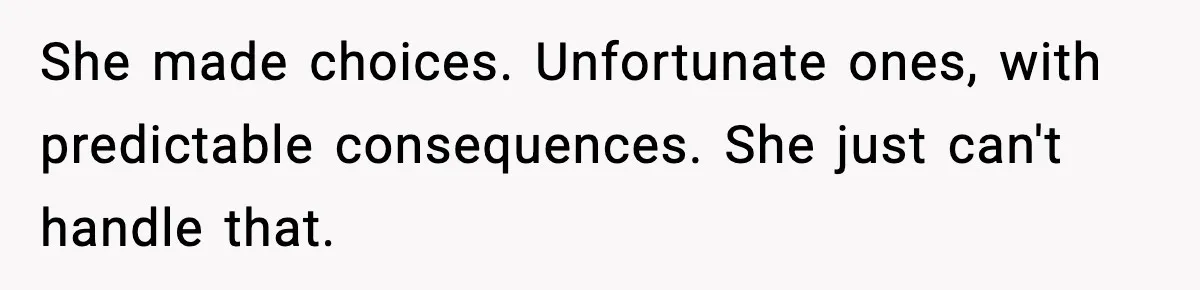

These commenters suggested stepping back from friendships where people refuse accountability

Should friends protect each other at work when performance slips, or is honesty the better form of loyalty? What would you have done in this situation? Share your thoughts below.