
Birthdays can bring out strong emotions, especially when plans do not unfold exactly as expected.
Still, disappointment and disrespect are not the same thing, and sometimes one angry reaction reveals problems that have been building for years.
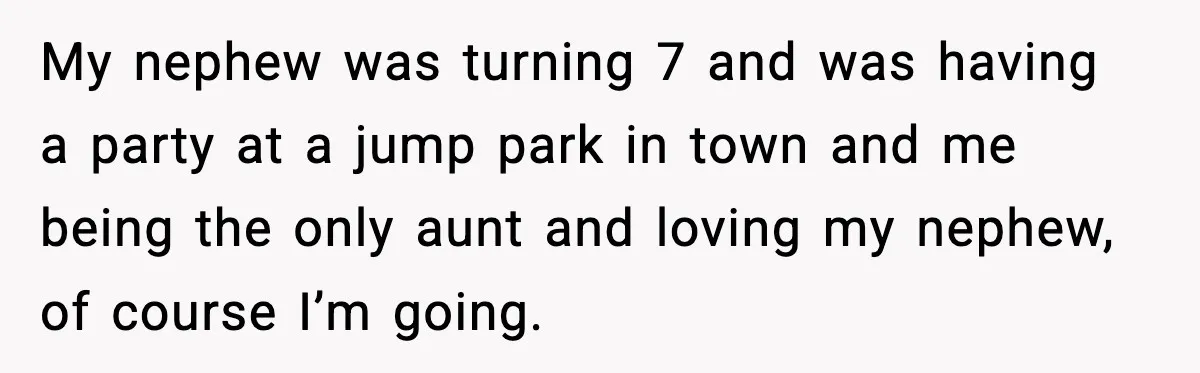
The original poster planned to spend most of her boyfriend’s birthday with him, but first wanted to attend her seven-year-old nephew’s two-hour party.
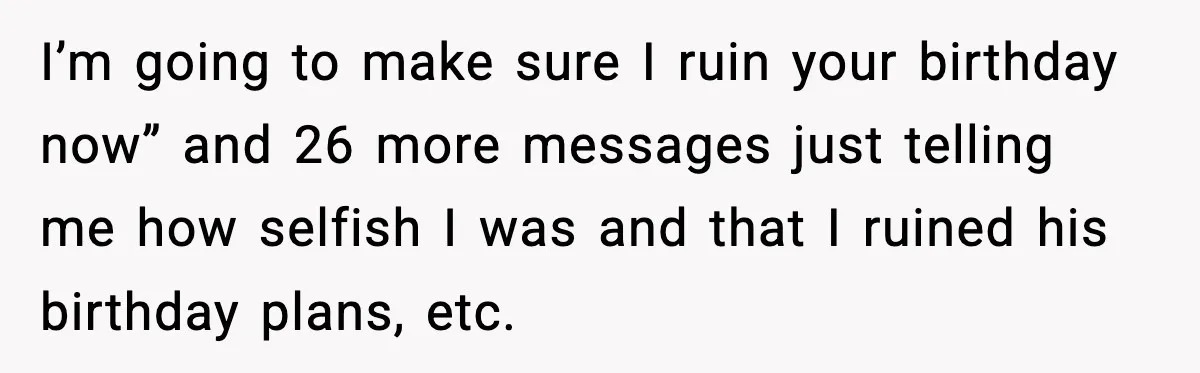
His response was far more explosive than she expected, leaving her flooded with insults and threats over a minor scheduling conflict.
After seven years together, she began questioning whether this was the final sign she needed.
Read on to see how one birthday argument turned into a much bigger battle.
A woman ended a seven-year relationship after her boyfriend exploded over a birthday party




































Relationships rarely end because of one argument.
More often, a single incident becomes the moment that finally confirms a pattern someone has been struggling to ignore.
What looks insignificant from the outside, a disagreement over a birthday or a harsh text message, may actually represent years of accumulated disrespect, leaving one partner to realize they have reached their emotional limit.
In this situation, the OP was not choosing her nephew over her boyfriend.
She planned to attend a two-hour birthday party for a seven-year-old family member and still expected to celebrate her boyfriend’s birthday afterward.
His disappointment was understandable, but his response quickly escalated into repeated insults, profanity directed at her family, and threats to ruin her own birthday.
After waiting several days without receiving an apology, she ended the relationship.
 Woman Reconsiders Five-Year Relationship After Boyfriend Says Women Shouldn’t Be Allowed To Vote
The conflict then shifted from the breakup itself to what happened afterward.
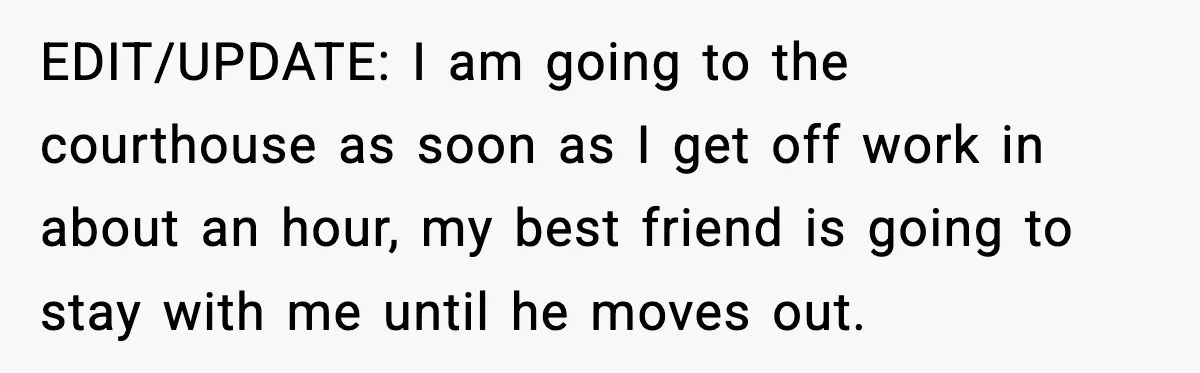
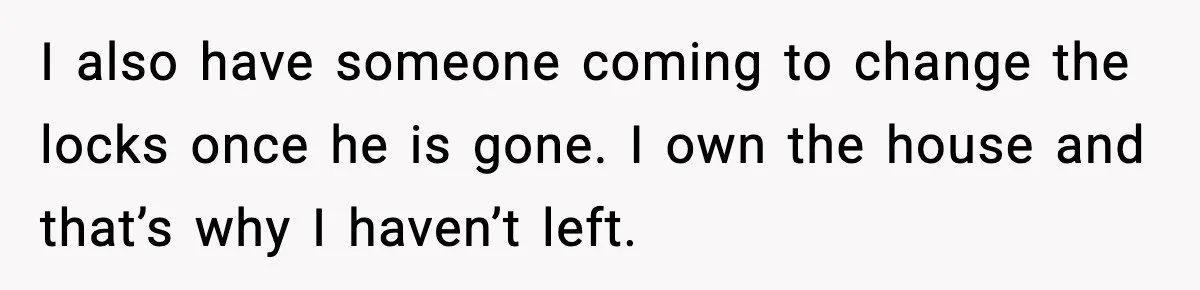
Despite being given approximately two months to find another place to live, financial flexibility to save money, and repeated reminders, her former partner remained in the home while criticizing her for beginning the eviction process.
A different psychological perspective is that the eviction often receives more attention than the emotional pattern leading up to it.
When people hear the word “eviction,” they naturally imagine punishment or cruelty.
Yet boundaries after a breakup serve a different purpose.
They establish that a relationship has genuinely ended and allow both individuals to begin rebuilding separate lives.
Delaying those boundaries out of guilt can unintentionally prolong emotional dependence and make the separation more painful for everyone involved.
Sometimes ending cohabitation is not an act of revenge but a necessary step toward emotional recovery.
Clinical psychologist Dr. Ramani Durvasula explains that emotionally unhealthy relationships often involve cycles in which explosive behavior is followed by expectations that the injured partner simply move on without meaningful accountability.
Over time, repeated disrespect can erode confidence and make healthy boundaries feel unnecessarily harsh.
Verywell Mind similarly notes that establishing firm boundaries after the end of a relationship helps reduce ongoing conflict and supports emotional healing by creating clear expectations rather than leaving people in prolonged uncertainty.
Viewed through that lens, the OP’s decision appears less connected to a birthday party than to recognizing a relationship dynamic she no longer wished to continue.
The peaceful feelings she described after he moved out are also psychologically significant.
Relief following the end of a relationship does not necessarily mean there was never love.
It often indicates that chronic stress had become so normalized that its absence felt unfamiliar.
At the same time, her former partner’s heartbreak should not be dismissed.
Losing both a relationship and a home is genuinely painful.
However, those difficult emotions do not erase the importance of respecting another person’s decision to end the relationship.
Healthy relationships are built on respect that continues even during disappointment.
When repeated hostility replaces respectful disagreement, ending the relationship and eventually ending shared living arrangements can become less about punishment and more about creating the space each person needs to move forward in a healthier direction.
Here’s how people reacted to the post:
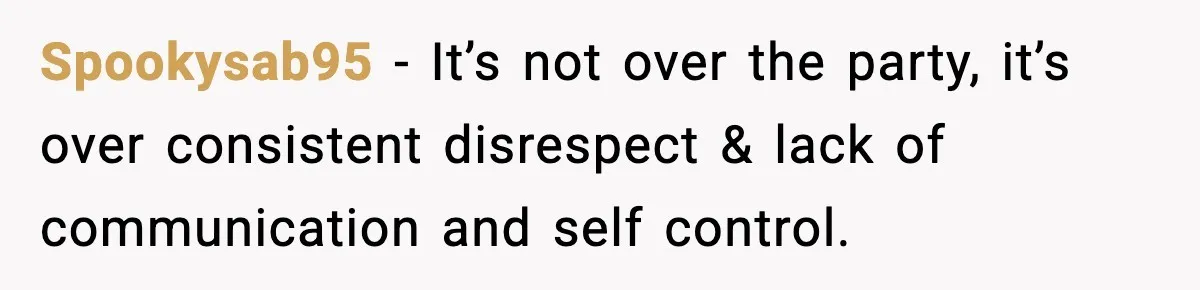
These Redditors said his tantrum, insults, and disrespect justified ending the relationship




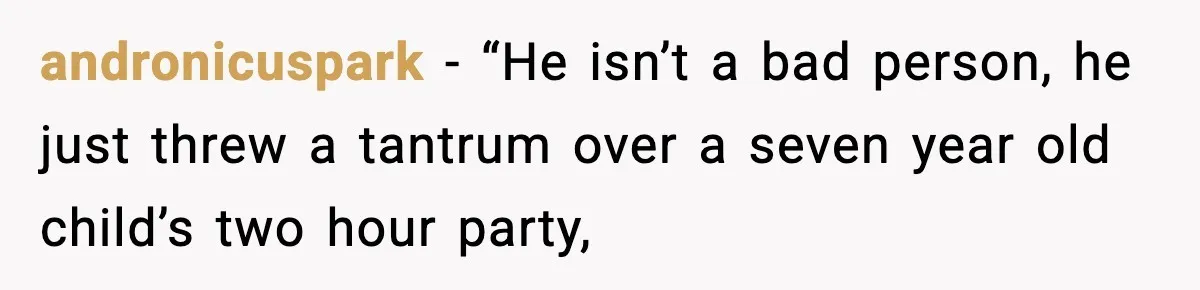




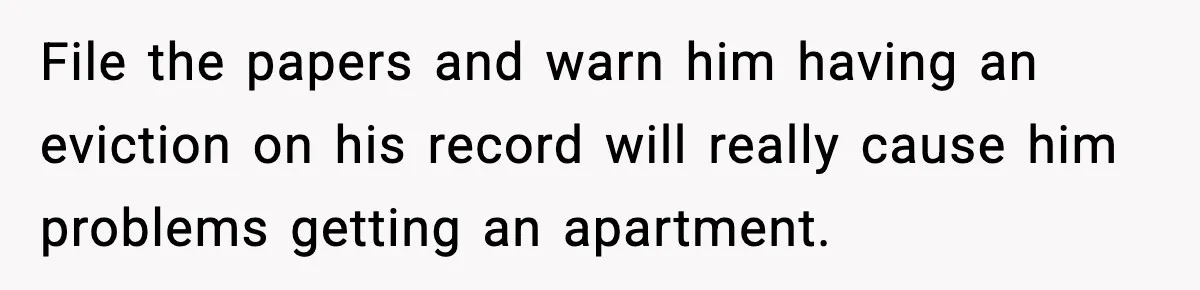
This group urged OP to begin formal eviction and involve police if he refuses to leave











This commenter mocked a 35-year-old man for throwing a childish birthday tantrum

What do you think? Was the birthday argument enough to end a seven-year relationship, or did the updates make it clear the relationship had already run its course? Share your thoughts in the comments below!